
Garage door maintenance checklist
A safety test every month, a closer look and fresh lubricant every spring and fall, and the springs, cables and bottom brackets left to a technician.
Garage door maintenance is a safety test every month, a check of the door by hand, and a closer look with fresh lubricant twice a year, at the start of spring and before winter. An owner can do the testing, cleaning and oiling. The springs, cables and bottom brackets are under tension and belong to a trained technician.
The intervals below are the makers' own. LiftMaster's owner's manual sets the monthly and yearly checks for its openers, Garaga sets the twice-a-year visit for its doors, and DASMA, the door and opener makers' association, adds a yearly visit from a trained technician.
What garage door maintenance covers
A garage door is two machines working together: the door and the opener above it. Garaga's opener maintenance article makes the point that the opener does not lift the door; the springs do. Maintenance touches five parts of that system.
- The door: its sections, its finish and the handles you lift it by.
- The hardware that guides it: rollers, hinges, bearings and the two tracks.
- The counterbalance: springs, lifting cables and the bottom brackets that anchor the cables.
- The seals along the bottom, between the sections and around the frame.
- The opener, with its safety reversal, photo eyes, rail, remotes and any backup battery.
The counterbalance is the part to understand before touching anything. Garaga's springs page puts a typical single door at around 150 lb and says a well-balanced one should feel like 8 to 10 lb to lift by hand. The springs carry the difference, all the time.
Why a garage door needs regular maintenance
It moves more than anything else in the house. Garaga's top 10 preventive maintenance tips put the average door at more than a thousand trips up and down a year, and that vibration loosens hardware a little on every one.
The second reason is safety. DASMA's opener safety and maintenance guide warns that an improperly adjusted door and opener can exert deadly force when the door closes. LiftMaster's manual adds the link between the two halves: an unbalanced door may not reverse when required.
What an Ontario winter adds
Environment and Climate Change Canada's 1991 to 2020 normals for Ottawa's airport count 231.9 cm of snow a year, falling on 62.3 days. They count 76.4 days when the temperature never gets above zero and 14 days of freezing rain or freezing drizzle.
That is why Garaga times its checks around the cold. Its tune-up FAQ says to check the door before winter, because a fault that forces it to stay open below freezing is, in its words, very maddening. Then again in spring, because winter is when a door takes a real beating.
How often should a garage door be maintained?
Every month for the safety tests, twice a year for the full check, and once a year for a technician. This is what each maker publishes:
| How often | What to do | Whose guidance |
|---|---|---|
| Every month | Work the door by hand; check it opens and closes fully; test the safety reversal | LiftMaster owner's manual |
| Every month | Inspect and test the door and opener; photo eyes no higher than 6 inches | DASMA |
| Every 3 months | Lubricate the weatherstripping; open the door by hand to check its balance | Garaga |
| Twice a year, spring and before winter | The full preventive check, rollers inspected, springs oiled | Garaga |
| Every year | Oil rollers, bearings and hinges; test the opener's backup battery | LiftMaster owner's manual |
| Every year | Wax the door with liquid car wax | Garaga |
| Every year | A visit from a trained door systems technician | DASMA |
| Every 2 to 3 years | Wipe the old grease off the opener rail and apply a thin new layer | LiftMaster owner's manual |
A new door gets a lighter start. Garaga's lubricant page recommends preventive maintenance every 18 months starting 2 years after purchase, and twice a year once the door is more than 2 years old.
How to do the monthly checks
Start with the door closed and the car out of the way. Do these four in order, because the first two tell you whether the last two are safe to run.
Look and listen
Garaga calls this the most important step: watch the door every time it moves. It should run smoothly and quietly, without jerks, grinding or scraping. Look at both sides of the door. The springs, pulleys and cables should look the same on the left as on the right.
Work the door by hand and test its balance
With the door closed, pull the release handle, usually a red cord, to disconnect the opener. Lift the door by its handles, never with your fingers between the sections, which DASMA's garage door safety tips single out as a common injury.
It should move freely. DASMA's guide says a balanced door stays put when left partly open, about 3 to 4 feet above the floor. If it drops, rises or takes two hands to lift, stop there. The springs are out of balance, and DASMA's answer is a technician, never a more powerful opener.
Close the door before reconnecting it. LiftMaster's manual says to use the release, if possible, only with the door closed, because weak or broken springs can let an open door fall rapidly.
Test the safety reversal
LiftMaster's manual says the safety reversal system must be tested every month. With the door fully open, lay a 1-1/2 inch (3.8 cm) board, or a 2x4 flat, on the floor in the middle of the opening. Close the door with the remote. It must reverse when it touches the board.
If it stops but does not reverse, the manual says to set the travel limits again and repeat the test. If it still fails, call a trained door systems technician.
Test the photo eyes
The two small sensors near the floor are the second safety system. DASMA's guide tests them by moving an object in front of a sensor while the door closes: the door should not close unless the wall button is held down. Garaga's opener article says to use an object for this, never your foot or a pet.
Check their height while you are down there. DASMA's opener safety tips say the eyes should sit no higher than six inches above the floor, so a child or pet cannot slip under the beam. If they will not hold a steady light, garage door opener not working covers what each sensor light means.
The twice-a-year check, spring and before winter
This is the longer visit, and the one Garaga times around the cold. Most of it is looking; the tightening and oiling take the rest.
Tighten the hardware
Garaga's tips say to check and tighten the roller brackets and bolts with a socket wrench, since a thousand trips a year shake them loose. Leave the bottom brackets alone. DASMA says they are connected to the springs, are under extreme tension, and should be adjusted only by a trained technician. DASMA's guide puts red-coloured fasteners on the same list.
Inspect the rollers
Garaga says to inspect rollers, steel or nylon, twice a year and to replace them every seven years or so, sooner on a door used many times a day. Replace any that are worn, chipped or cracked. The rollers in the bottom brackets are held by the cable system, so those are a technician's.
Look at the cables, without touching them
Check the two lifting cables for broken strands, fraying and damage near the bottom roller bracket. Garaga's tips are blunt that these cables carry enough force to maim and kill. DASMA says a worn cable should be replaced only by a trained technician. Garage door cable snapped covers what to do if one has already let go.
Clear the tracks
Keep both tracks free of debris. Garaga suggests a level to check that they stand plumb, and says any major track adjustment is a job for a professional.
Check the seals
Garaga says to replace a bottom weather seal that has gone brittle or cracked right away, to keep the weather out. Garage door weather stripping explains how to tell the four seals apart and measure one before buying a replacement.
What to lubricate, and with what
Different parts take different products, and the makers say so plainly. This table follows LiftMaster's manual and Garaga's maintenance page for its doors:
| Part | What to use | Whose guidance |
|---|---|---|
| Rollers, hinges and bearings | Oil once a year, or a petroleum-based metal lubricant | LiftMaster; Garaga |
| Springs | Petroleum-based motor oil wiped all around with a rag, twice a year | Garaga |
| Weatherstripping | A silicone-based lubricant every 3 months, never a petroleum product | Garaga |
| Opener rail | Every 2 to 3 years, wipe off the old grease and apply a thin layer of white lithium grease | LiftMaster |
| The opener itself | Nothing: it needs no additional lubrication | LiftMaster |
| Tracks | Follow your door maker: LiftMaster says not to grease them, Garaga lubricates mainly the bend | LiftMaster; Garaga |
The rubber is the reason for two products. Garaga's maintenance page says petroleum attacks the rubber, which has to stay flexible to seal. On metal it is the other way round: its springs article says to oil the springs twice a year, at the first and last nighttime freezes, and never with a degreaser like WD-40.
The tracks are the one place two makers disagree. LiftMaster's manual says not to grease the door tracks; Garaga's page for its own doors puts its lubricant mainly in the bend of the track. Read the manual that came with your door before putting anything on the tracks.
How to clean a garage door
Wash it when you wash the car. Garaga's maintenance page for its doors goes like this:
1. Rinse the door with a garden hose to lift the dust. 2. Wash it with a mitt and a car-style wash and wax product, following the bottle. 3. Rinse again. 4. Once a year, put on a thin, even coat of liquid car wax, on a cloudy day, without leaving deposits in the wood grain.
Garaga warns against abrasive cleaners, very strong liquid soaps and, in capitals, a pressure washer. Its care FAQ for steel and aluminum adds the inside of the door, where winter dirt builds up and dulls the finish. The seals take an all-purpose vinyl detergent, rinsed off with the hose.
Rust and wood need more than a wash. Garaga's tips say rust spots on a steel door should be sanded, primed and painted, and a wood door checked for water damage, warping and peeling paint.
Garage door opener maintenance
Most of the opener's care is in the monthly tests above. The rest is a few checks a year, drawn from Garaga's opener article and DASMA's tips.
- Find its age. Garaga says an opener made before 1993 should be replaced rather than maintained, because it predates the two reversal systems required on openers since. The date is on the label on the motor unit.
- Try every remote and the keypad. Garaga says a remote whose light no longer comes on may need a battery.
- Look at where the wall button sits. DASMA puts it at least five feet above the floor, out of reach of children, where you can see the door close.
- Test the backup battery once a year, if the opener has one, as LiftMaster's manual schedules.
- Look at the antenna. Garaga says the wire hanging from the motor unit should not be cut or bent upward, or the remote's range suffers.
One adjustment people reach for makes things worse. Garaga's maintenance page warns against raising the opener's force to press the bottom seal harder into the floor, which wears out the seals faster and adds friction to the door.
What to leave to a technician
LiftMaster's manual says that all repairs to cables, spring assemblies and other hardware must be made by a trained door systems technician, and tells owners never to loosen, move or adjust the springs, cables, pulleys or brackets, all of which are under extreme tension. Call one when:
- The door feels heavy, takes two hands, or will not stay put partly open.
- The door fails the reversal test after the travel limits are set again.
- A cable is frayed, a spring shows a gap, or one side hangs lower than the other.
- The door has extension springs with no safety cable running through them. DASMA says to call a dealer for a safety inspection.
- One of two springs has broken. DASMA says to replace both, even if one is still whole.
- The opener has no photo eyes, or was made before 1993.
How long a spring should last, and the signs of one near its end, are counted out in how long garage door springs last. When a door keeps needing parts, repair or replace your garage door sorts the faults that are repairs from the ones that mean a new door.
When the check finds something
Protech Garage Doors sells, installs and repairs garage doors and openers. We are a Garaga dealer, in business since 2009, our technicians are certified and the company is fully licensed. For the yearly technician visit DASMA recommends, or anything on the list above, each branch has its own page: garage door repair in Ottawa, in Mississauga and in London, Ontario.
If the check says the door has had its day, the new one starts with a measurement: garage door installation in Ottawa, in Mississauga or in London.
Call the Ottawa branch at (613) 845-9950, Mississauga and the GTA at (289) 975-9045, or London at (226) 270-9715; every line answers 24 hours. Say which check failed and what the door did, and whether it lifts easily by hand with the cord pulled.
Questions people ask
Short answers to what comes up most often.
How often should I get garage door maintenance?
Test the safety reversal and the balance every month, as LiftMaster's manual and DASMA ask. Do the full check twice a year, at the start of spring and before winter, which is Garaga's schedule for a door more than 2 years old. DASMA adds a yearly visit from a trained door systems technician.
Should I spray WD-40 on my garage door springs?
No. Garaga's springs article calls WD-40 a degreaser and says not to use one on springs. Its advice is petroleum-based motor oil, wiped all around the springs with a rag twice a year, with the excess wiped off. DASMA says a spray-on lubricant made for garage doors can quiet a squeaky spring.
Which is better for a garage door, silicone or lithium grease?
Each has its own part. Garaga uses a silicone-based lubricant on the rubber weatherstripping, because petroleum attacks rubber. LiftMaster puts white lithium grease on the opener rail where the trolley slides, every two to three years. The metal hinges, rollers and springs take oil or a petroleum-based metal lubricant.
How do I know if my garage door rollers are bad?
Look for rollers that are worn, chipped or cracked, and listen for grinding or scraping as the door runs. Garaga says to inspect them twice a year and replace them every seven years or so, sooner on a door used many times a day. The bottom rollers sit in brackets tied to the cables, so those are a technician's job.
Do I need to replace both garage door springs at the same time?
Yes, if the door has two. DASMA's safety tips say to replace both even when only one is broken, to prevent damage when the second one breaks and to keep the door working efficiently. Spring replacement is a job for a trained technician, because the springs hold the weight of the door under tension.
Is it worth repairing a 20-year-old garage door opener?
Check its date first. Garaga says an opener made before 1993 should be replaced, because it lacks the photo eye and contact reversal systems required since, and its tips say an opener over 20 years old may lack them too. Past that, it depends on what failed and whether its maker still makes the part.
What should I use to clean a garage door?
A car-style wash and wax product, a wash mitt and a garden hose, according to Garaga's care pages. Avoid abrasive cleaners and strong soaps, and never use a pressure washer. Once a year, a thin coat of liquid car wax on a cloudy day keeps the finish.
Where to go from here
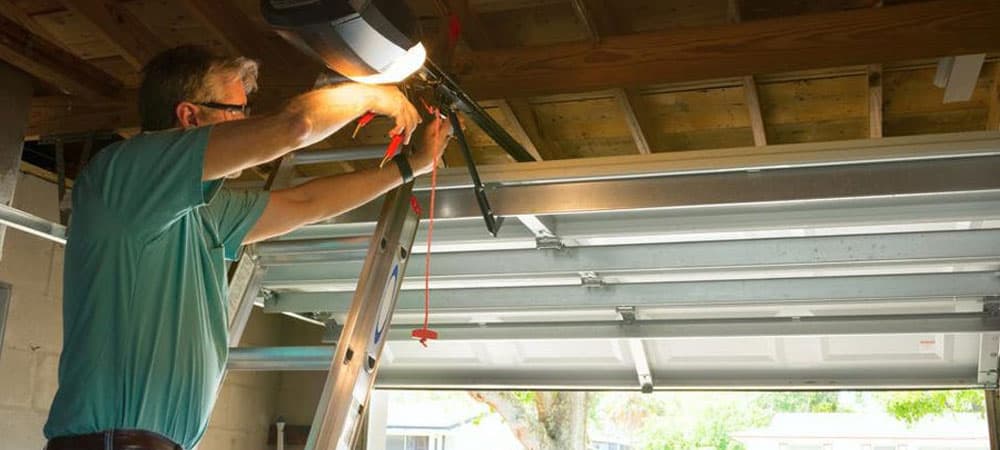
Garage door repair
Broken springs, cables, rollers, tracks, sensors, trims and any garage door opener problem. Fast, professional service when you need it.
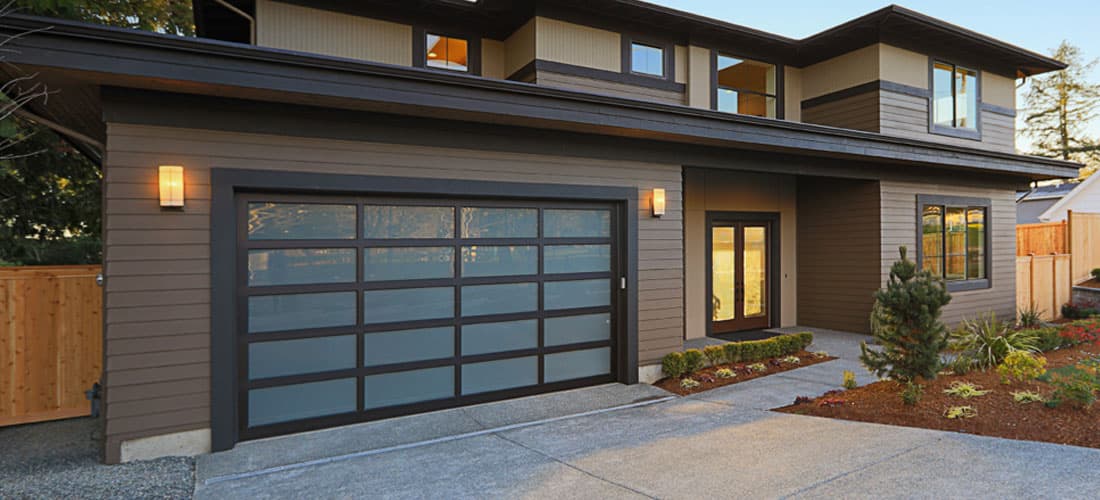
Garage door installation
Headroom, backroom and track type decide which doors will fit an opening. What an installation involves, and why the springs are sized to the new door.
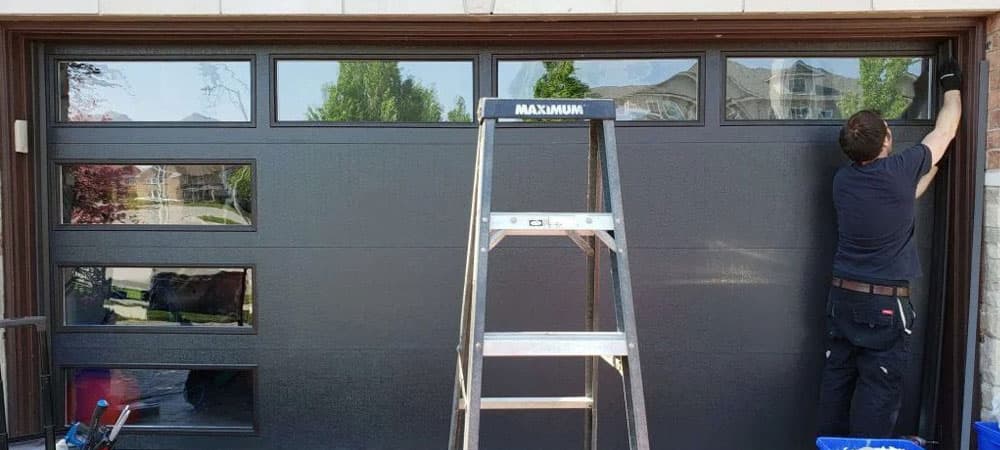
Garage door spring repair
Broken garage door springs? We replace torsion and extension springs safely and professionally to get your garage door working properly again.
Garage door safety sensors
Garage door safety sensors: the door starts down and reverses, or the opener light blinks. What the photo eyes are telling you, and when it is only alignment.
Talk to Protech Garage Doors today
Call (613) 845-9950 at any hour, or email info@protechgarage.ca for a new-door quote with no rush.