
Garage door installation: measuring, fitting and balancing
An installation is three jobs: taking the old door out safely, fitting the new one square, and counterbalancing it correctly. The third is the one that decides whether the door is still working properly in five years, and it is the one nobody sees.
The measurements that decide what will fit
The opening itself is the easy part. What actually narrows the choice is headroom, the space between the top of the opening and the ceiling, and backroom, the depth from the opening back into the garage. The standard garage door sizes guide sets out what a single and a double actually measure, and why the opening in the wall is measured rather than the old door.
Standard track wants a reasonable amount of headroom for the curve and the horizontal run. Where there is not enough, a low headroom kit uses a double track and a different drum arrangement to fit the door into a tighter space.
Where there is a lot of height, a high lift arrangement runs the door further up the wall before it turns, which is what makes room for a car lift underneath. Side room matters too, because the vertical track, the brackets and any wall-mount operator all need clearance at the jambs.
Ontario's advice for anyone hiring home repair work is to get at least 3 written estimates and never to accept one given over the phone or without the contractor inspecting the area, which is the same reason the opening gets measured before any quote.
Changing the opening is a different job from filling it. Ontario's Building Code Act, 1992 defines construction to include the material alteration or repair of a building, and section 8 says nobody may construct without a permit from the chief building official. Ask the municipality before anyone cuts or moves the header.
Taking the old door out
The old springs are unwound in a controlled way before anything is dismantled. This is the part of the job with the most stored energy in it, and it is the reason a door removal is not the same kind of task as taking down a fence panel.
Fitting the new one
The sections go in from the bottom, each one levelled and hinged to the one below, with rollers set into the vertical track as it goes. Then the horizontal track, the spring shaft, the drums and the cables. A door fitted out of level will run at an angle for the rest of its life, so the first section is the one everything else inherits.
The counterbalance is the finish line
The spring is chosen for the weight of the new door, not the old one. An insulated three-layer door can weigh substantially more than the single-skin door it replaces, and putting the old springs back on it is how a door ends up too heavy, why the opener strains, and why the springs come back around again early.
Wound correctly, the door will stay roughly where you leave it at waist height with the opener disconnected. That test is done before the opener is reconnected, because a balanced door is what an opener is designed to move.
Then the opener
The opener is checked or replaced against the new weight, the travel limits and the force settings are set, the safety eyes are aligned, and the reverse is tested on the floor. A door that does not reverse when it meets an obstruction has not finished being installed.
Where we do this
- Ottawa
- Mississauga
- London
- Brands installed and serviced
- Garaga, Amarr, Stanley, LiftMaster, Chamberlain, Genie
Related services
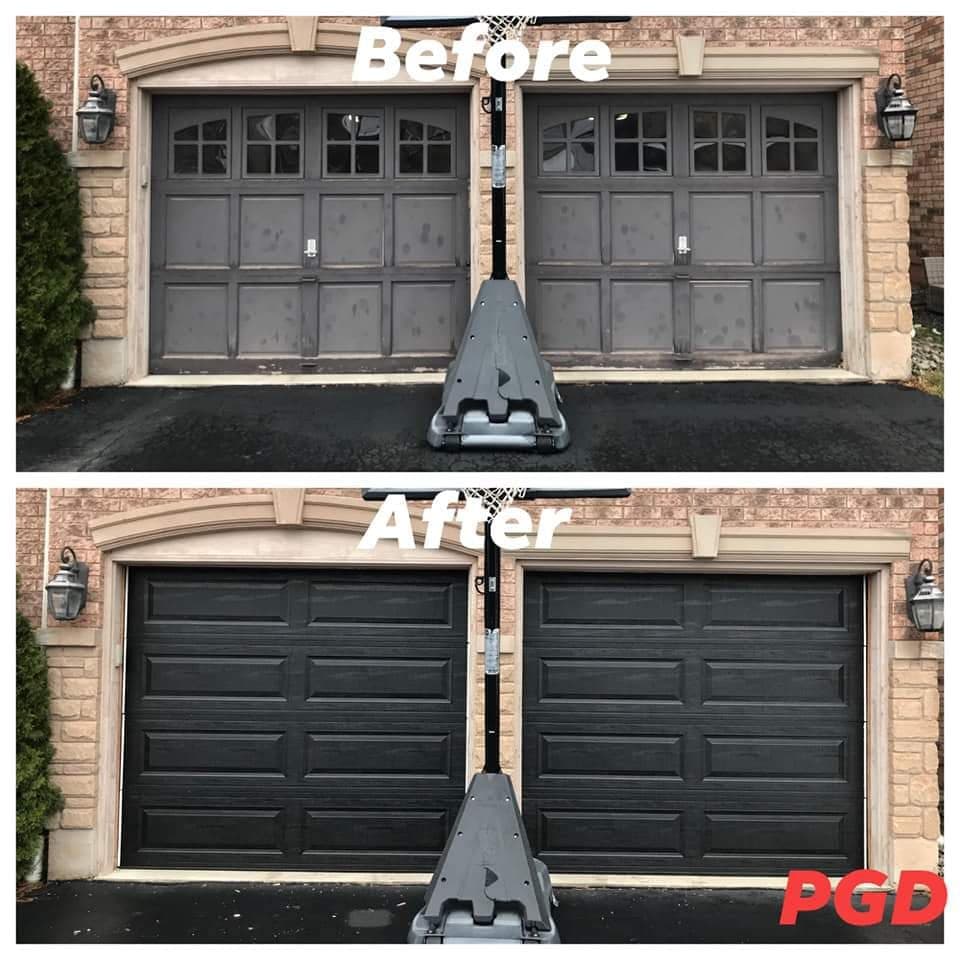
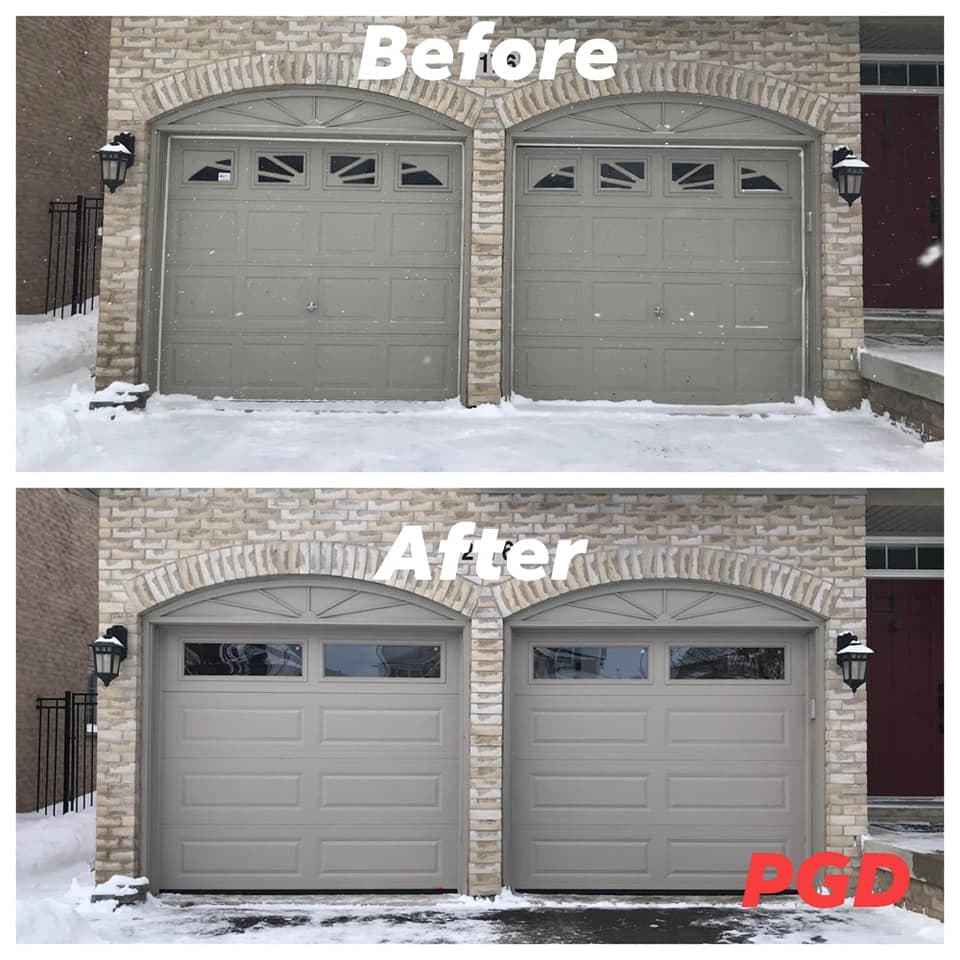
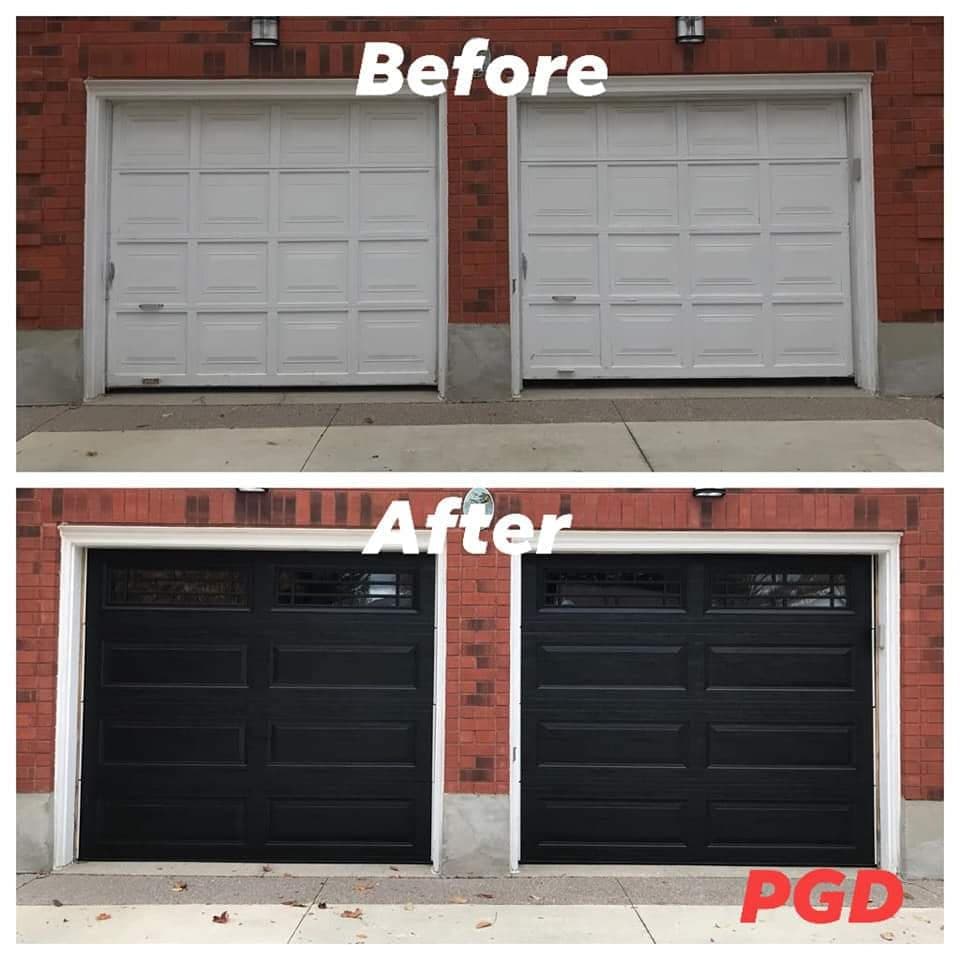
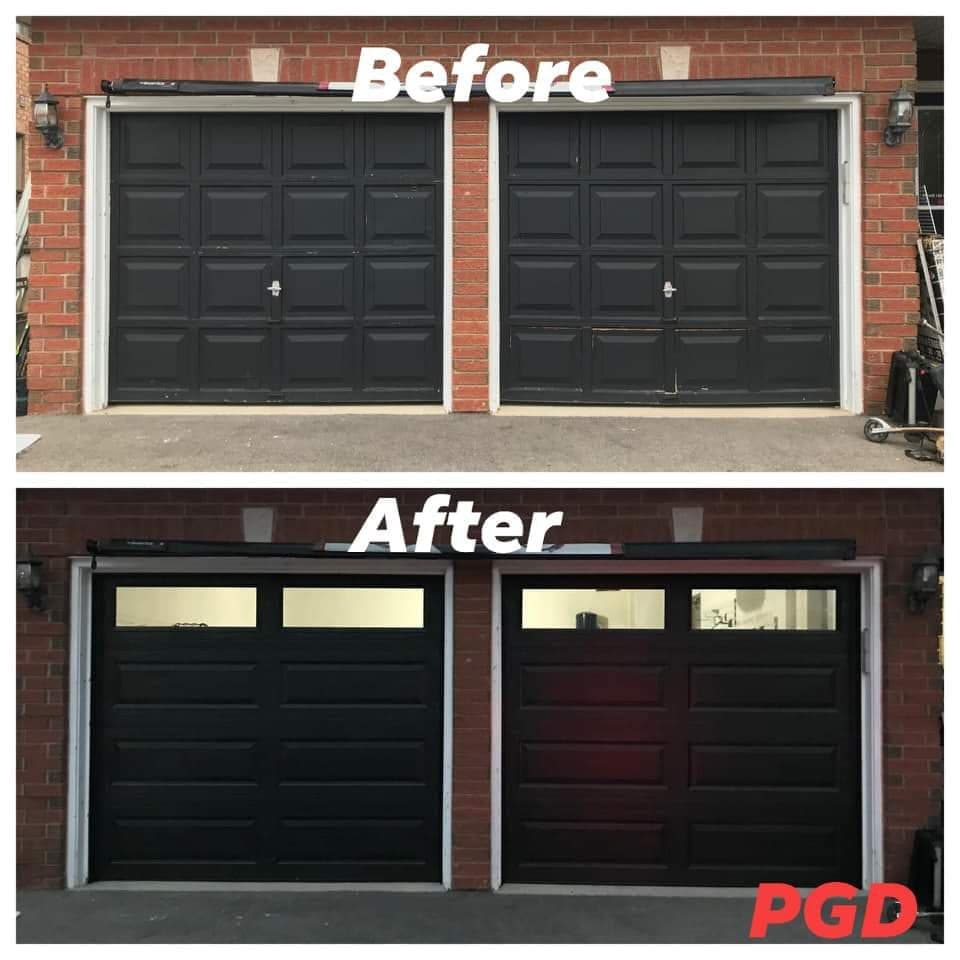
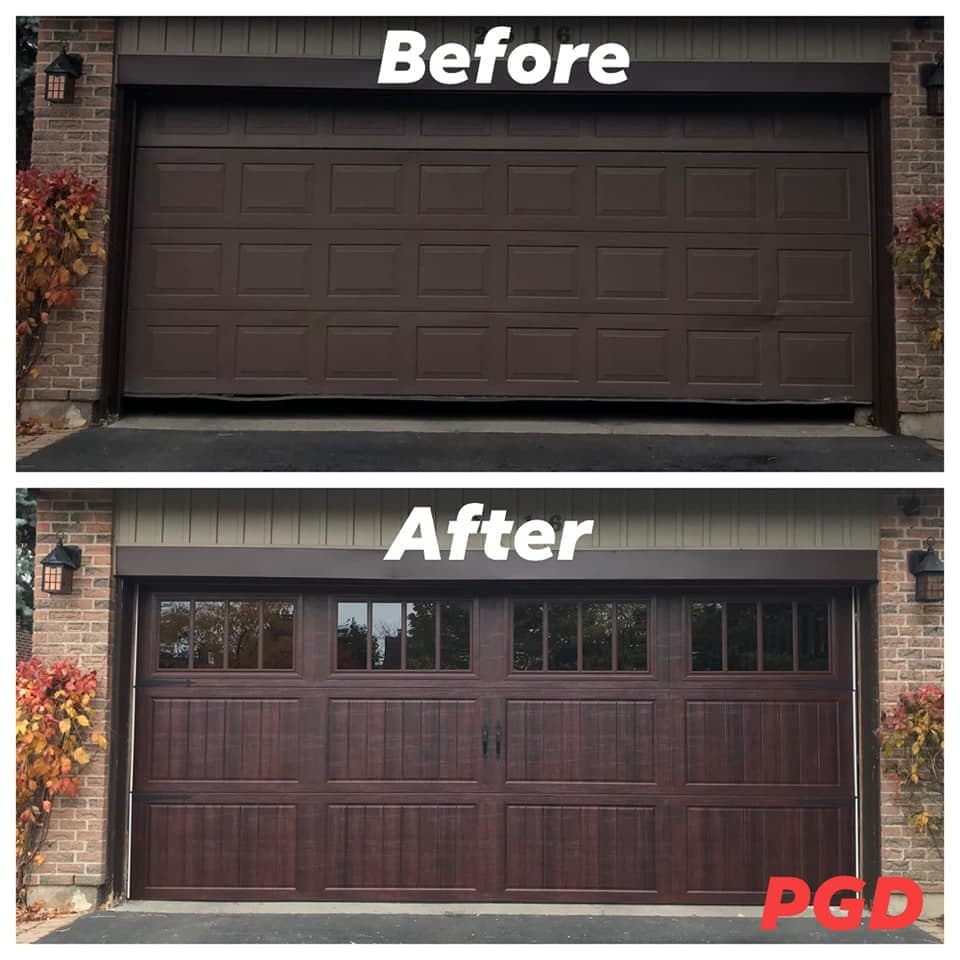
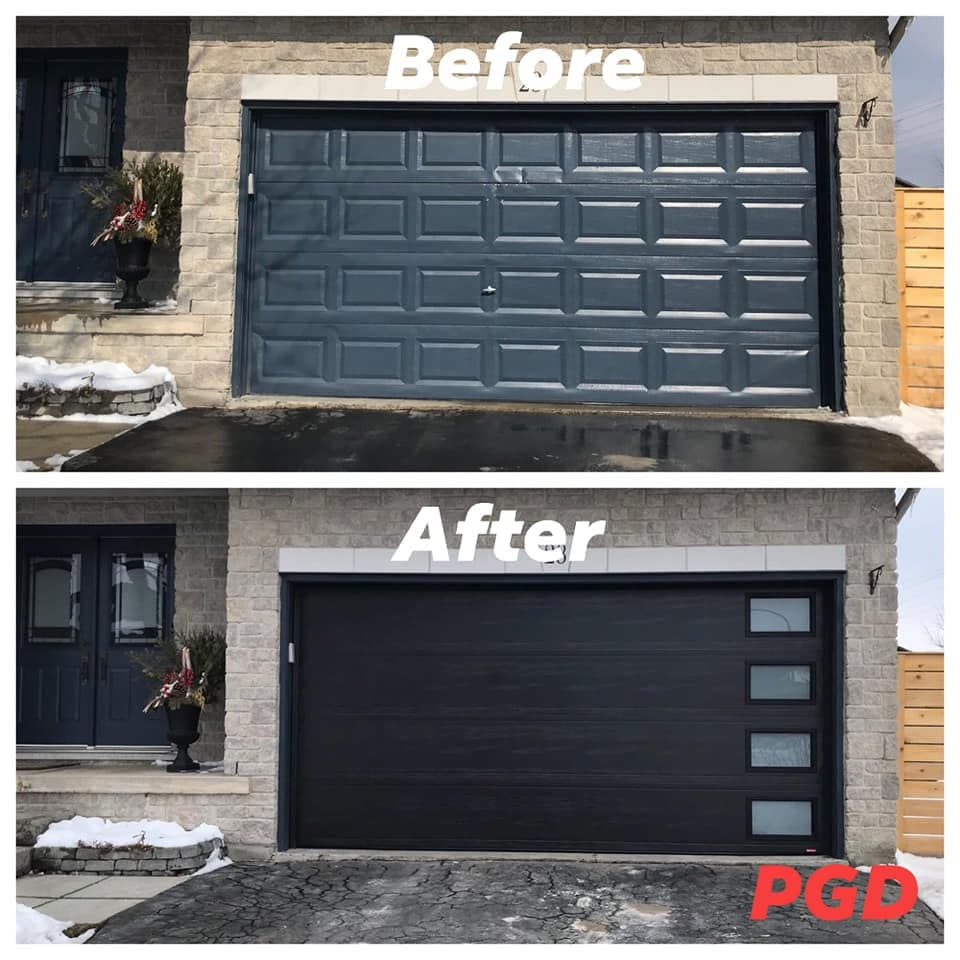
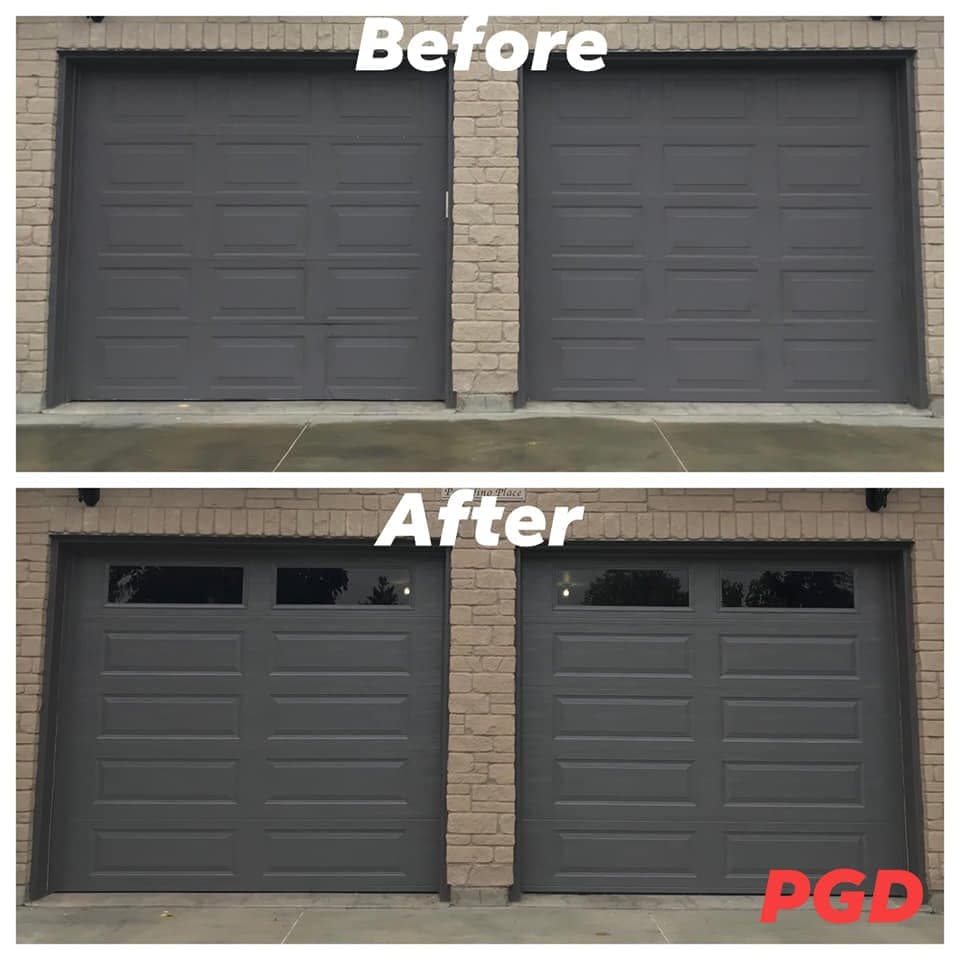
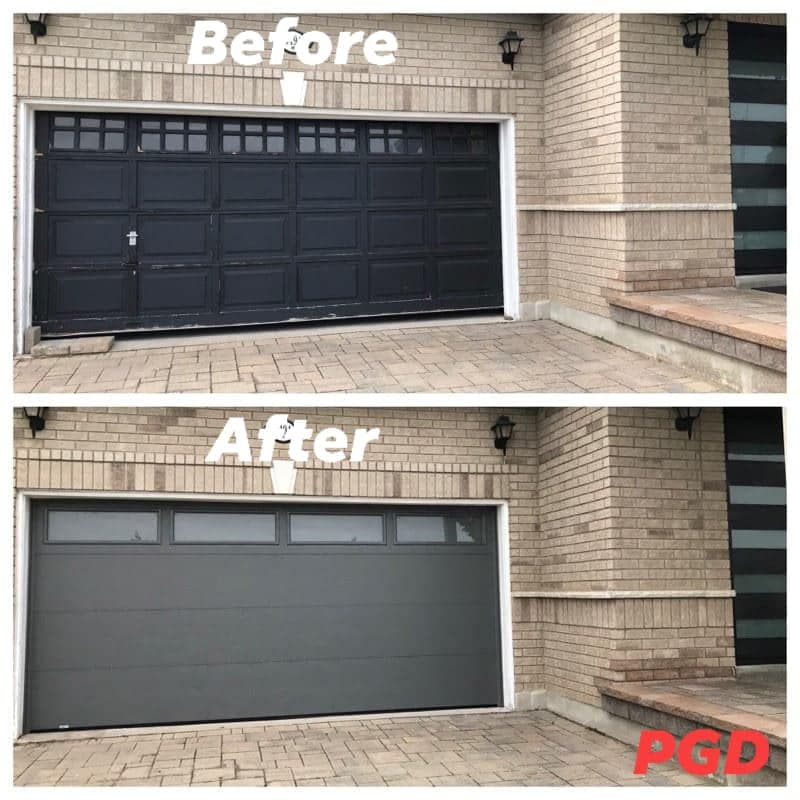
New doors in old openings
Openings Protech has fitted with new doors, in its own before-and-after photographs.
Garage door installation: what people ask
Short answers on what usually breaks, what a visit involves and what it costs to put right.
How long does a garage door installation take?
A straightforward single or double door replacement is normally a same-day job. It runs longer when the opening needs work, when the old track has to come out with the door, when a low headroom or high lift arrangement is being fitted, or when an opener is being added to a garage that has never had one.
Can a new door be fitted to the existing track?
Sometimes, and it is worth checking rather than assuming. Track is sized to the door, and the roller spacing, the section height and the weight all have to match. Reusing worn track on a new door is a false economy: it is the cheapest part of the job and the one that makes everything else run smoothly.
Do I need a permit to replace a garage door?
A like-for-like door in an existing opening usually does not, but changing the size of the opening is structural and normally does. Requirements are set by the municipality, so the answer is the local building department for that address rather than a general rule.
Everything else we repair and install
Every service the branch nearest you can send a van for.
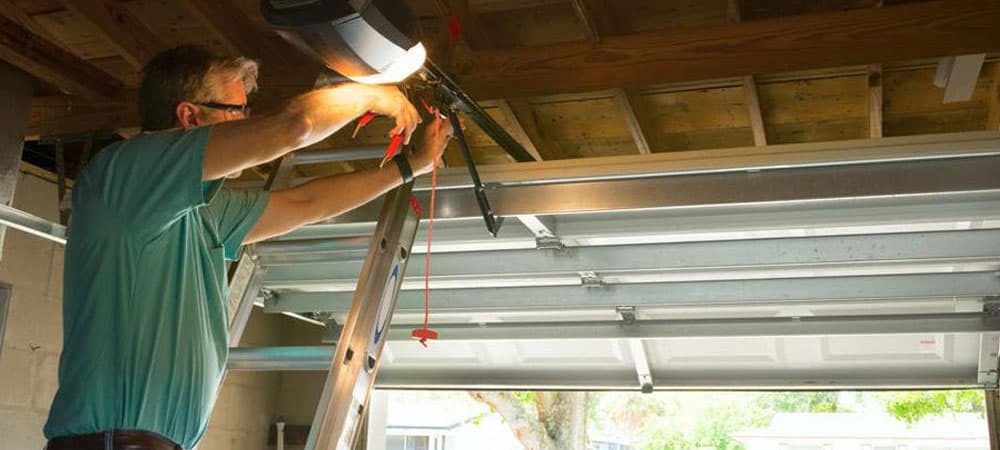
Garage door repair
Broken springs, cables, rollers, tracks, sensors, trims and any garage door opener problem. Fast, professional service when you need it.
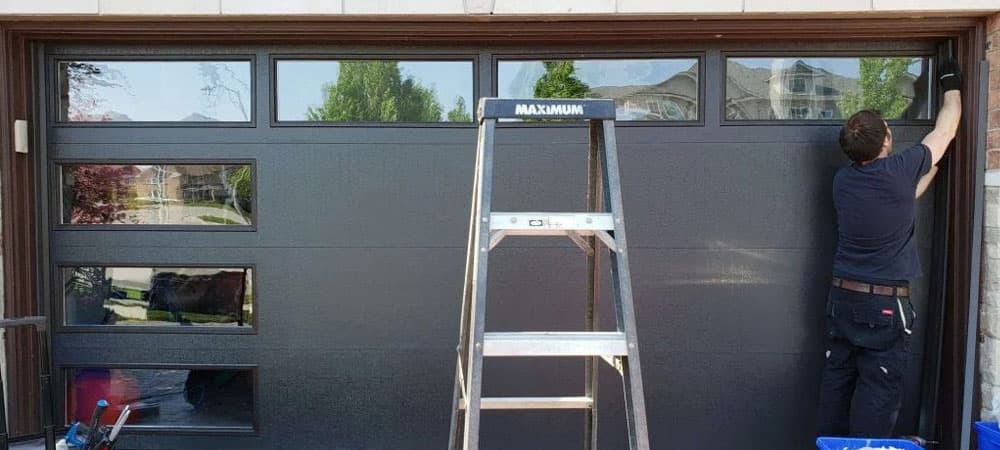
Emergency garage door repair
Emergency garage door repair for a door stuck open, a snapped spring or cable, or a door off its track. What to do before the call, and what to leave alone.
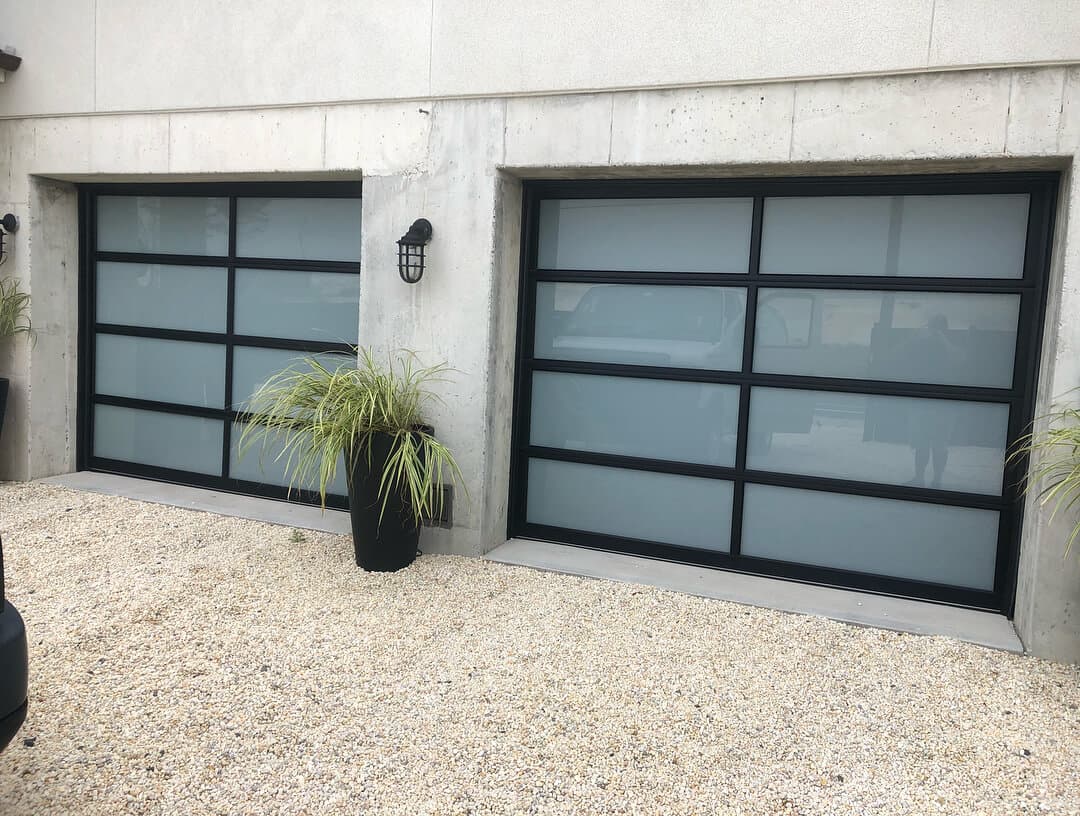
Garage door spring repair
Broken garage door springs? We replace torsion and extension springs safely and professionally to get your garage door working properly again.
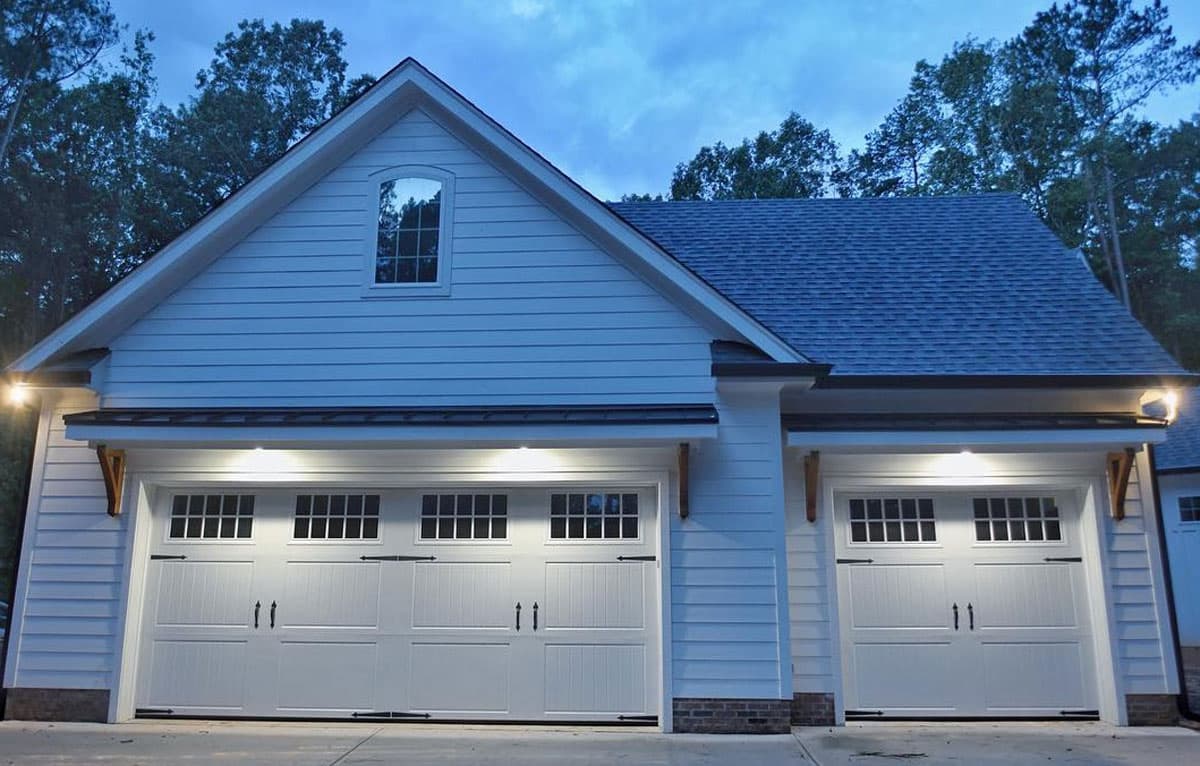
Garage door safety sensors
Garage door safety sensors: the door starts down and reverses, or the opener light blinks. What the photo eyes are telling you, and when it is only alignment.
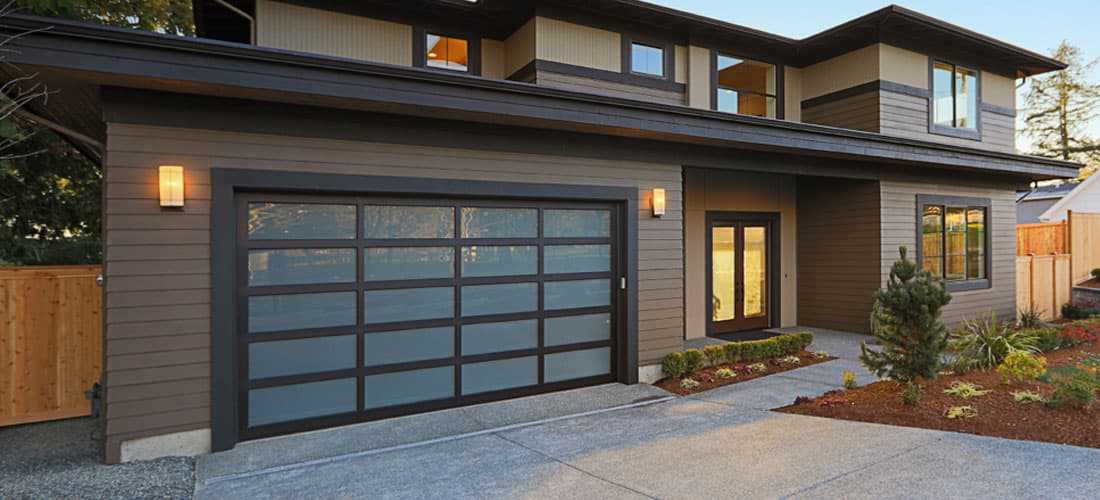
Garage door off track
Garage door off track or not moving properly? Protech can safely realign the door, repair damaged tracks, replace rollers and get it running smoothly again.
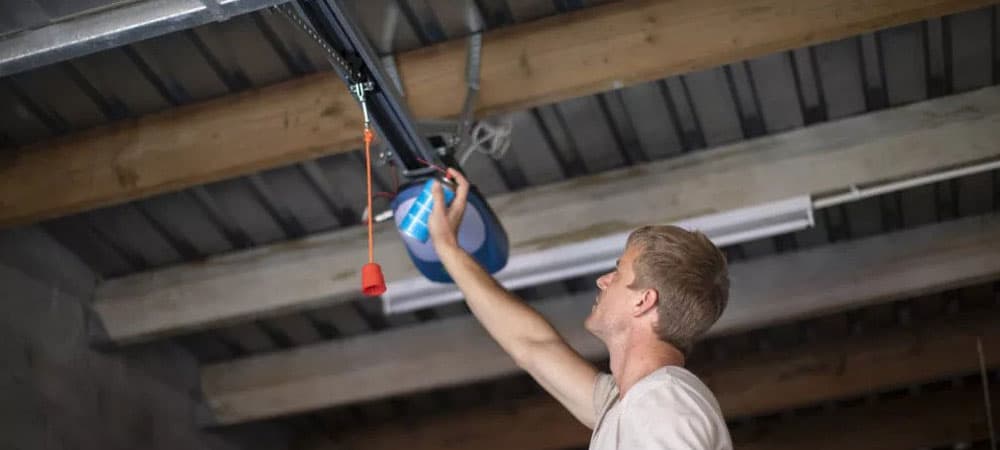
Garage door parts
Springs, cables, drums, rollers, hinges, brackets, seals and opener parts. What is on the truck, what is matched to the door, and what is not a DIY part.
Talk to Protech Garage Doors today
Call (613) 845-9950 at any hour, or email info@protechgarage.ca for a new-door quote with no rush.