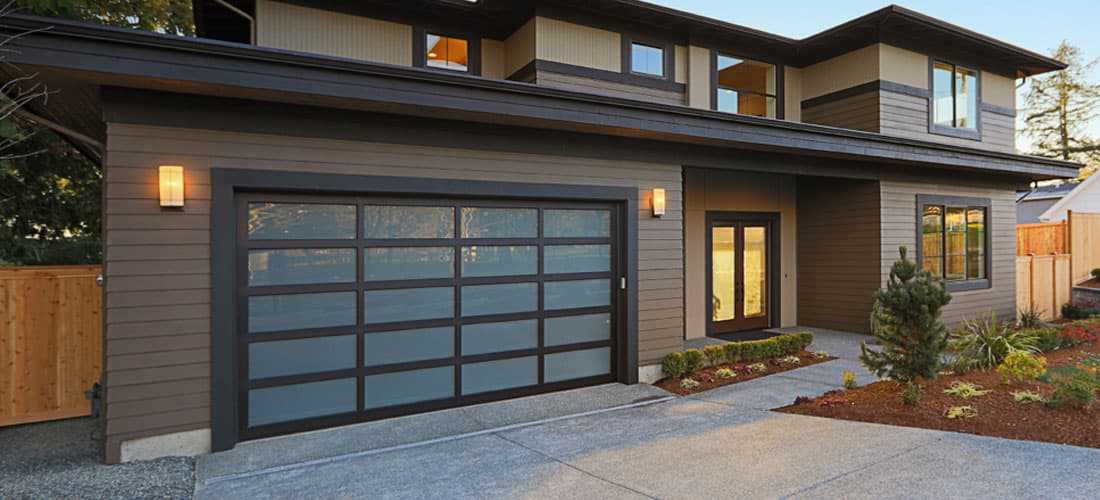
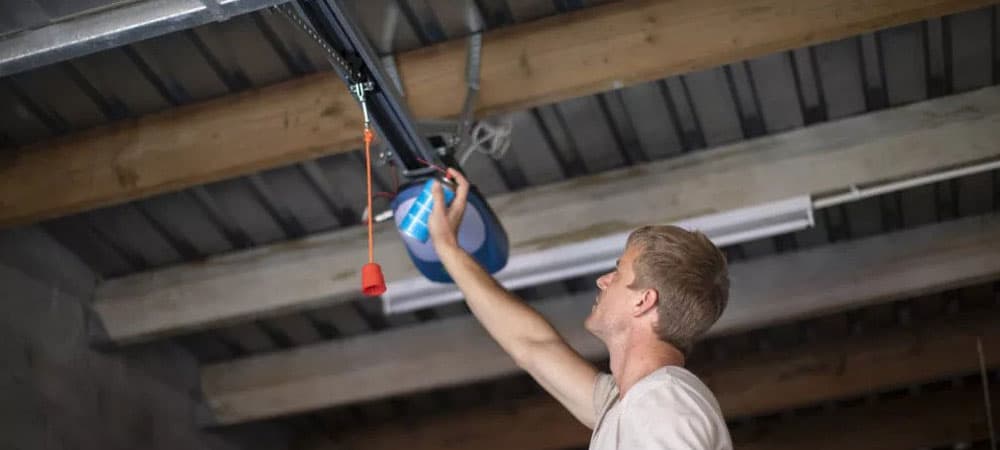
Commercial work is a different specification from residential work, and the vocabulary is different too: in most of the trade these are overhead doors, and the phrase covers several products that do the same job in different buildings.
Sectional overhead doors
| Sectional overhead | Rolling steel |
|---|
| What it is | Steel sections on tracks, counterbalanced by a torsion spring | A curtain of interlocking slats coiling onto a barrel above the opening |
| Where the door goes | Back along the ceiling | Onto the barrel, with nothing running back |
| Choose it when | The bay seals and insulates to a specification, and a driver needs vision panels | There is no room overhead, the opening is very wide, or the building wants a solid steel curtain |
| Standard on | A warehouse bay, a service garage, a fire hall | Openings where a rolling grille can leave a shopfront visible after hours |
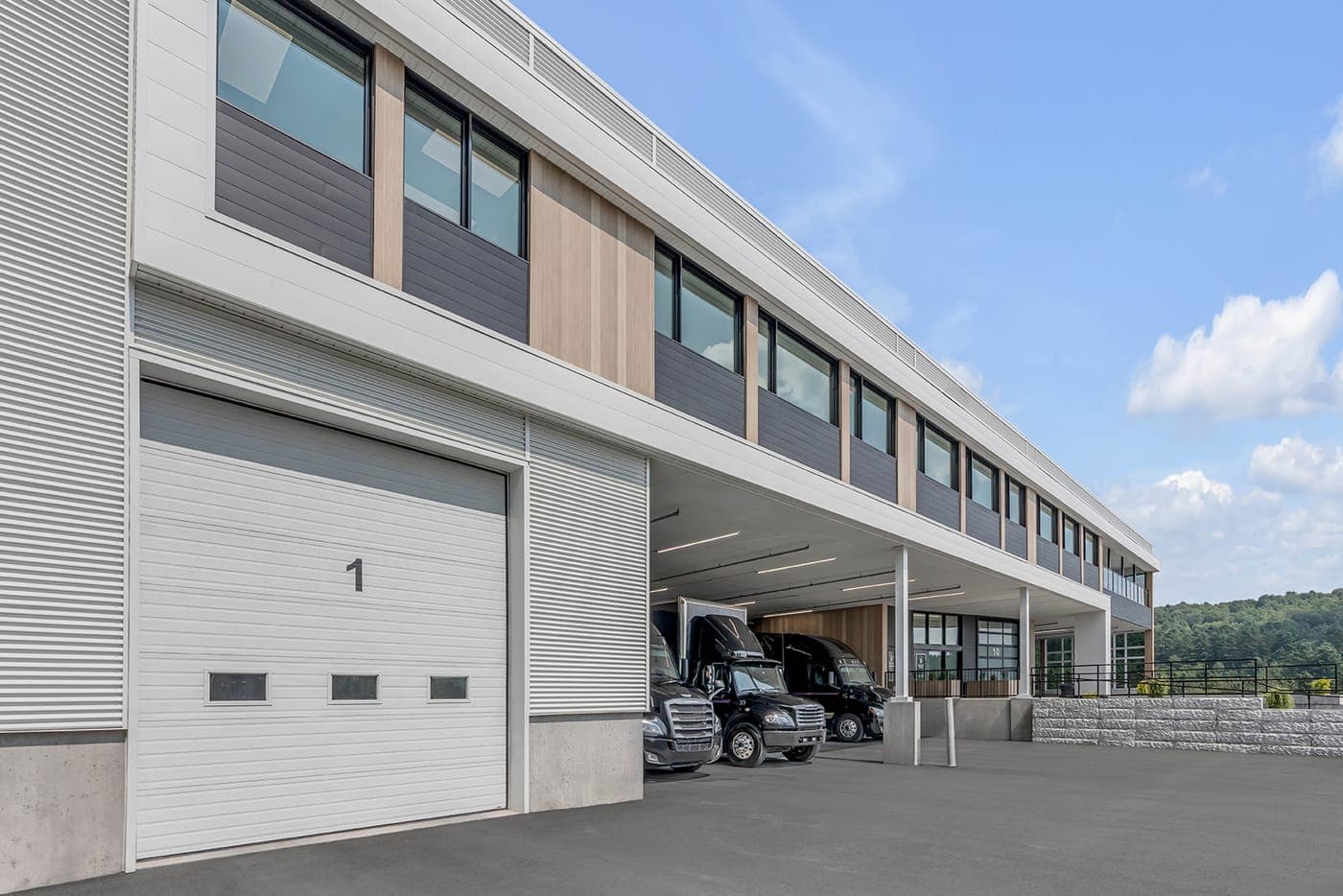
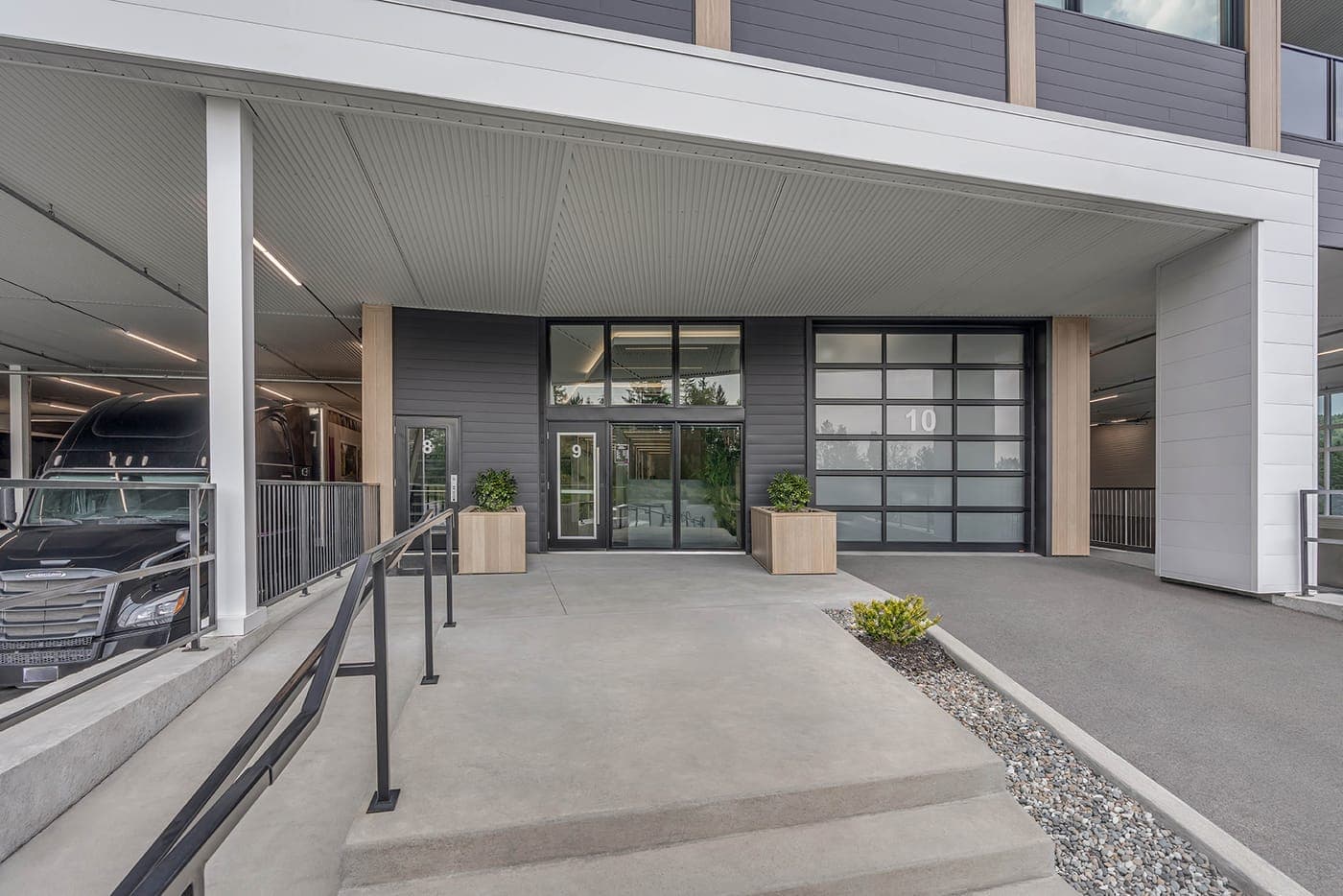
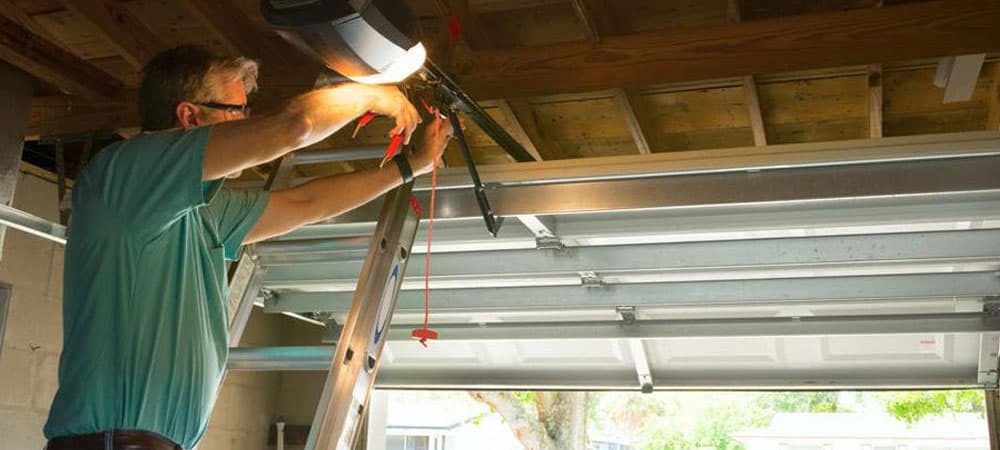
The same principle as a house door, built heavier. Sections of insulated or non-insulated steel, running on tracks, counterbalanced by a torsion spring. This is the standard for a warehouse bay, a service garage or a fire hall, because it seals reasonably well, insulates if you specify it to, and can be fitted with vision panels so a driver can see the yard.
Rolling steel doors
A curtain of interlocking steel slats that coils onto a barrel above the opening rather than running back along the ceiling. It is the answer when there is no room overhead for tracks, when the opening is very wide, or when the building needs the security of a solid steel curtain. Rolling grilles do the same thing in an open lattice where you want the shopfront visible after hours.
Duty cycle is the number that matters
A residential door might run four cycles a day. A loading bay can run forty, and a busy service bay more than that. Springs are rated in cycles, and a commercial door is specified with a spring pack sized to how often that opening actually moves. Ordering a residential-cycle spring for a bay that runs all day is the single most common reason a new commercial door is back on a service call inside two years.
Safety and controls
Commercial installations carry more than a photo eye. A reversing safety edge along the bottom of the door, a three-button wall station, key switches, pull cords, radio controls and loop detectors, all driven by a commercial operator rather than a residential opener, are all normal, and which of them a building needs depends on how the door is used and who is near it when it moves.
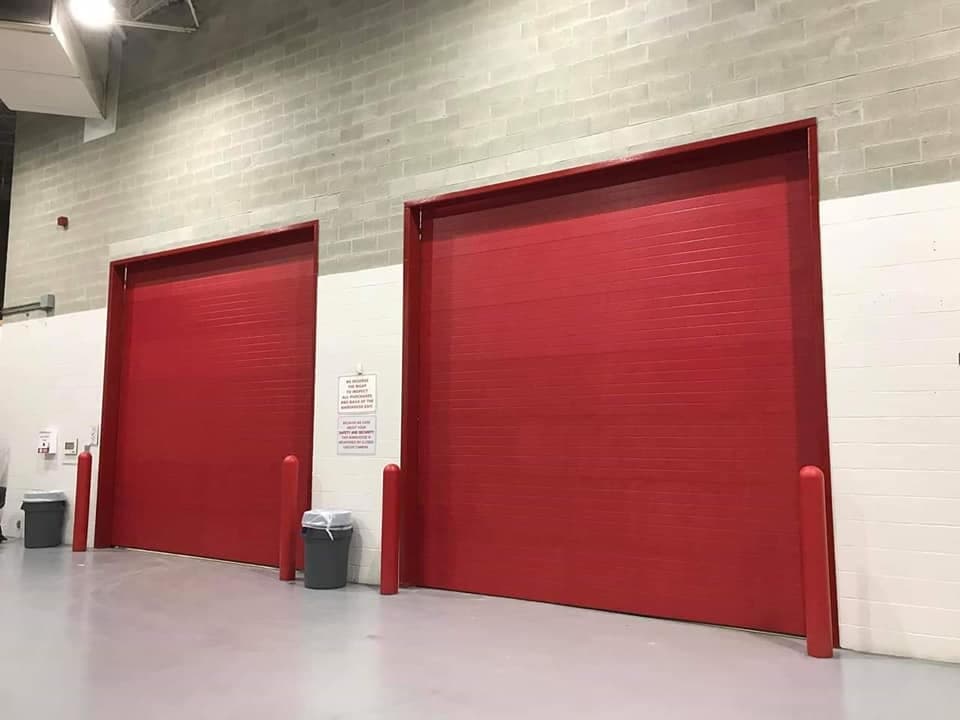
A rolling steel door or shutter that closes an opening in a fire separation counts as a closure under Ontario's Fire Code. Its fusible links and heat- or smoke-actuated devices have to be kept undamaged and free of paint and dirt, and its guides, bearings and stay rolls clean and lubricated. The code also has a door in a fire separation inspected monthly, with the opening kept clear of anything likely to interfere with it.
We survey the opening, the headroom and the way the bay is actually used before specifying anything, because a door that fits the hole and not the traffic will fail on the traffic.