
Garage door cable snapped or came off the drum: what to do first, and why it happened
One side of the door is now carrying the whole door. What to leave alone, how to tell a snapped cable from a slipped one, and why winter is hard on them.
When a garage door cable snaps, stop using the door where it is. Unplug the opener so nobody presses the button, keep people and cars out from under the door, and leave the cable for a technician.
Garaga, the Quebec manufacturer whose doors we install, explains why it is urgent: when a lift cable breaks, "all the weight of the door will transfer to one side."
DASMA, the Door and Access Systems Manufacturers Association, is just as plain on its garage door safety page: because of the spring tension involved, "these cables should be replaced only by a trained technician."
What the cables on a garage door actually do
There are two cables that lift the door, one on each side. On a torsion door, each one runs from a bottom bracket at the lowest corner of the door, up the side of the opening, to a grooved drum at the end of the spring shaft above.
Garaga's overview of how the drum works puts it this way: "Each cable winds around grooves in a drum, with the drum attached to a steel shaft holding a torsion spring." As the door rises the drums wind the cable in, and as it closes they pay it out.
The cable is where the spring's force meets the door. Garaga calls lift cables "braided steel wires that are calibrated according to the total weight of the door", and its hardware guidance asks for galvanized cable 1/8 inch (3 mm) across. A 7-strand cable of that size, Garaga says, "is suitable for any residential garage door."
An extension spring door has lift cables too, running over pulleys, and it has a second kind of cable that people confuse with them. Garaga's article on repairing cables safely separates the two: lift cables work with the springs to raise the door, and a safety cable is threaded through the centre of each extension spring so that a spring that breaks stays contained instead of flying across the garage.
Can I open a garage door with a broken cable?
No. With one cable gone, one corner of the door is hanging from nothing, and lifting it by hand or by opener pulls it sideways in the tracks. The door can bind, come out of the track, or drop on the side that lost its cable.
The emergency release is part of the same answer. Chamberlain, the company behind the Chamberlain and LiftMaster openers, says in its manual operation instructions to "ONLY use the emergency release when the garage door is fully CLOSED, if possible", and warns that if the counterbalance is weak or broken "the door may fall rapidly and without warning."
The release is what separates the door from the opener rail, and the rail may be the only thing holding a door that has lost a cable.
How to close a garage door with a broken cable
Leave that to the technician. If the door is stuck open, leave it open, unplug the opener, and keep everyone out of the opening until a technician has clamped it. A door that is lowered by hand with one cable gone comes down crooked, and whoever is holding it is carrying weight the springs are supposed to carry.
If the door is closed, leave it closed. Unplug the opener, or pull the release while it is fully down, so that nobody runs it on one cable.
An open garage overnight is the usual reason people try anyway. A technician clamps the door in place first, then lowers it under control, and on a cable call the door comes down before the new cable goes on.
Snapped, or came off the drum?
Both leave the door lopsided, and they are different faults. What you can see from the floor, without touching anything, usually says which one you have.
| What you see | What it usually means |
|---|---|
| A cable hanging loose with a frayed or broken end | The cable snapped |
| The cable is whole but slack, looped or unwound beside the drum at the top | The cable came off the drum |
| The door hangs lower on one side | One side has lost its cable, or has more slack than the other |
| Both cables slack and the door far too heavy | Often a broken spring rather than a cable. The spring lifespan guide covers what that looks like |
| Rollers out of the channel on one side | A cable off its drum lets that corner drop and the rollers follow. It is covered on the garage door off track page |
Why does the cable come off a garage door drum?
A cable stays in the grooves of its drum only while it is under tension. Anything that lets it go loose for a moment can let it jump out.
Wayne Dalton, the American door maker, described the problem in a 1998 patent for a cable control device. When tension is lost, it says, "the lift cables tend to unwrap or separate from the cable drums", and they may not go back where they belong.
In a bad case, "the lift cable coils about parts of the drum that are not designed for cable storage", or wraps over itself, which leaves the two sides at different lengths and the door running at an angle until it jams.
The first is a door that lands on something on one side. That side stops while the shaft keeps turning for both, and the stopped side's cable goes loose. A recycling bin, a bike wheel or a ridge of ice at the threshold will do it.
A door running out of line in its tracks is the second. Garaga's off-track article says that if the alignment of the door is disturbed, "the cable won't line up correctly in the drum, then unravel and break without much warning." Worn rollers and bent track are the usual reasons.
A broken spring takes the force off the shaft that was keeping both cables tight. And two cables that have stretched by different amounts leave one of them loose: DASMA's cable standard says "differential cable stretch or too much cable stretch can result in slack cables."
Some wall-mounted openers watch for this. Garaga's page for the LiftMaster 8500, a jackshaft opener that mounts beside the door on the wall, lists a cable tension monitor "specifically designed to maintain accurate tension and eliminate 'cable throw,' which occurs when the cable slips off the drum."
Why garage door cables snap
Most snapped cables wore through. Garaga's cable article says so directly: cables "start to fray over time because they are in use every time your garage door moves", and it lists constant friction, a door out of alignment in its tracks, moisture, and the dirt and insects that help corrosion along.
A sound cable has strength to spare. DASMA 110, the association's standard for lifting cables on sectional doors, requires a cable to hold at least five times the load it will carry, and sets the breaking strength of a 1/8 inch 7x7 cable at 1,700 lb, enough for a door of up to 680 lb on two cables.
Garaga puts an average single door at 150 lb, so what brings a cable down to its breaking point is the steel that friction and rust have already taken off it.
In Ottawa, most of that is rust. DASMA 110 asks for a corrosion-resistant coating, and its test is 24 hours in a salt spray chamber with no visible red rust at the end. An Ottawa winter runs for months, and the cable's lowest end is fixed to the bottom bracket, at the foot of the door, beside the patch of floor where every car drips its slush and road salt.
The freeze-thaw count is high too. Environment and Climate Change Canada's 1991 to 2020 normals for Ottawa's Macdonald-Cartier airport record 154 days a year with a low at or below 0 °C and 76.4 days whose high never gets above it. On about 78 days a year, then, the temperature crosses zero, and meltwater around the bottom bracket freezes again overnight.
The same normals count 14 days a year of freezing rain or freezing drizzle, about half of them in December and January. Freezing rain is how a ridge of ice builds up along the threshold, and a door that closes onto ice on one side is a door whose cable has just gone slack.
What is the lifespan of a garage door cable?
There is no published year figure from a manufacturer, and the useful number is a count. DASMA 110 requires a lifting cable to survive at least 10,000 door cycles in endurance testing, where one cycle is the door opening and closing once. That is the same count a standard torsion spring is rated for, which is one reason cables and springs so often wear out in the same few years.
The spring lifespan guide turns 10,000 cycles into years at different amounts of daily use.
The count is a test minimum. The test runs on clean, lubricated cable with the door in line, and rust, a rubbing drum or a door that runs crooked all spend the cable faster. How the cable looks tells you more than how old it is.
DASMA's safety page asks owners to "visually inspect the cables that attach the spring system to the bottom brackets on both sides of the door" as part of a monthly check, and to have a trained technician look at the door once a year.
From the floor, with the door closed, look for broken strands sticking out, most of all near the bottom bracket, and for rust on the lowest part of the cable. One cable hanging visibly looser than the other is a sign, and so is a cable rubbing against the door, the track or the frame.
Any of those is worth a service call before the cable lets go, and none of them is something to adjust yourself. DASMA's safety page notes that the bottom brackets "are under extreme tension" because they are connected to the springs.
Garage door cable snapped on both sides
When both cables are gone or slack at once, look at the spring first. A broken torsion spring takes the tension off both in the same moment, and a door that drops with its spring broken can throw both cables off their drums. The fix then is springs and cables together, and the door is checked for damage from the drop.
Should both cables be replaced at the same time?
DASMA's standard gives the reason to. Its stretch test allows a new cable to stretch no more than 1.5% under load, and it warns that "differential cable stretch" between the two sides results in slack cables. A new cable on one side and a cable with years of cycles on the other is that difference, and a door hung that way sits lower on one side.
Fitting the pair and setting both to equal length avoids it.
How much does it cost to replace a broken garage door cable?
There is no fair average, because a cable job is rarely only a cable. What changes the job is what else happened when the cable failed:
| What changes the job | Why |
|---|---|
| One cable or both | The pair is normally replaced together so the stretch matches |
| Snapped, or only off the drum | A cable that came off whole can sometimes be re-spooled; a frayed one cannot |
| Whether a spring broke too | A spring failure is often what threw the cables |
| Whether the door came out of the track | Rollers, track and hinges may need work as well |
| The drums and bottom brackets | They are checked with the cable, and a rusted bracket is replaced with it |
| Whether the opener was run afterwards | An opener driven against a crooked door can strip its gear |
A quote follows a look at the door, and the parts a cable repair can touch are listed on the garage door parts page.
Replacing a garage door cable with the door down
This is how a cable is replaced: with the door fully closed and clamped in place, and the spring tension taken off before the cable is touched. On a torsion door the cable ends in a stop button that seats in the drum, and DASMA 110 describes an adjustable "floating stop" that lets the cable be cut to length "and re-secured by a professional installer."
The door is then rewound, balanced and run by hand before the opener is reconnected.
The videos showing a cable swap in half an hour start with the spring already unwound. The cable is only loose once the spring's tension is off it, and taking that tension off is the step DASMA and Garaga both leave to trained technicians.
Having it looked at
Protech Garage Doors is a Garaga dealer, in business since 2009, and our technicians are certified. A cable call is also a look at the springs, drums, rollers and track, since a cable rarely fails alone.
Call the Ottawa branch at (613) 845-9950, where the line answers around the clock, the Mississauga branch at (289) 975-9045, or the London branch at (226) 270-9715. The contact page has the form and shows which branch covers your address. Tell us whether the door is stuck open or closed, and leave the opener unplugged until someone has seen it.
Questions people ask
Short answers to what comes up most often.
Is a frayed garage door cable an emergency?
It is a repair to book this week. A frayed cable has already lost strands, and Garaga, answering a reader about a loose cable, calls it potentially dangerous if the cable lets go while the door is open. Keep people and cars out from under the door, use it as little as possible, and book the repair for days rather than weeks.
Why does my garage door cable keep coming off the drum?
Whatever let it go slack the first time is still there, and re-spooling the cable leaves that cause in place. The causes Garaga and DASMA name are a door out of alignment in its tracks, worn rollers, unequal cable stretch, and something under one side of the door as it closes.
Why is one side of my garage door lower than the other?
One cable is longer than the other in effect, either because it has slipped a wrap on its drum or because it has stretched more than its partner. Wayne Dalton's patent describes cable wraps sitting on top of each other as a cause of uneven length and a door that runs at an angle. Left alone, the low side tends to bind in the track.
Can the opener break a cable?
An opener can create the slack that throws one. An opener closing a door onto an obstruction, or running a door that is binding on one side, keeps feeding the door down while one side has stopped.
That is what the cable tension monitor on a jackshaft opener like the LiftMaster 8500 exists to catch. On a standard opener, the reversal system and a clear threshold are what protect the cables.
Does a garage door cable need lubricating?
The parts Garaga asks owners to lubricate are the springs, hinges and rollers, and the cable is not on that list. What protects a cable is its galvanized coating, a door that runs straight, and a threshold kept clear of ice, so the monthly check is about looking at the cable rather than treating it.
Where to go from here
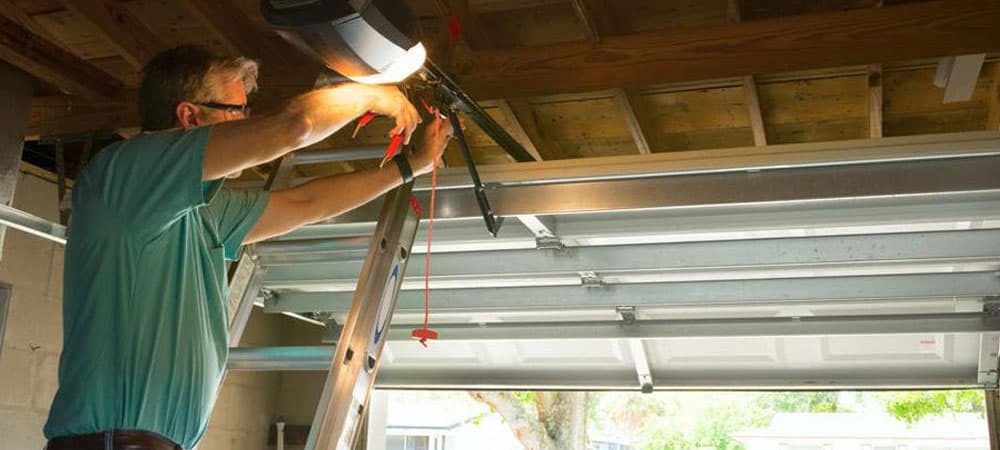
Garage door off track
Garage door off track or not moving properly? Protech can safely realign the door, repair damaged tracks, replace rollers and get it running smoothly again.
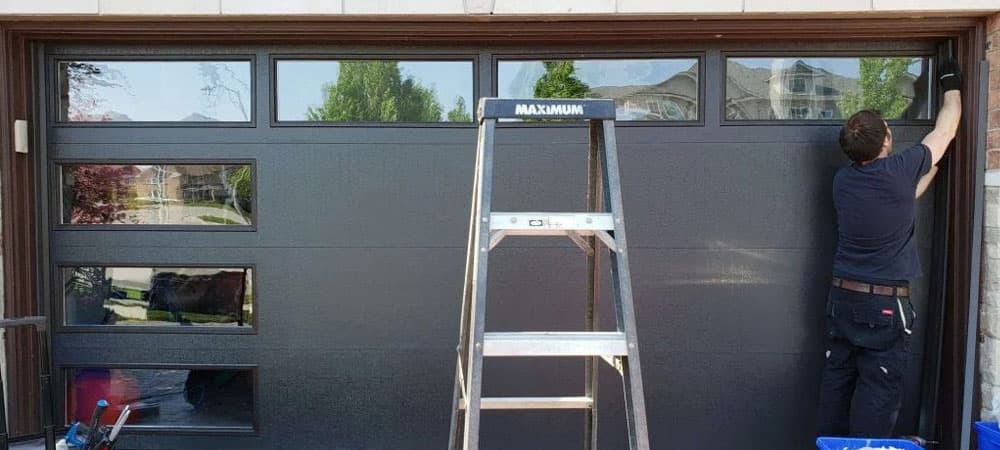
Garage door spring repair
Broken garage door springs? We replace torsion and extension springs safely and professionally to get your garage door working properly again.
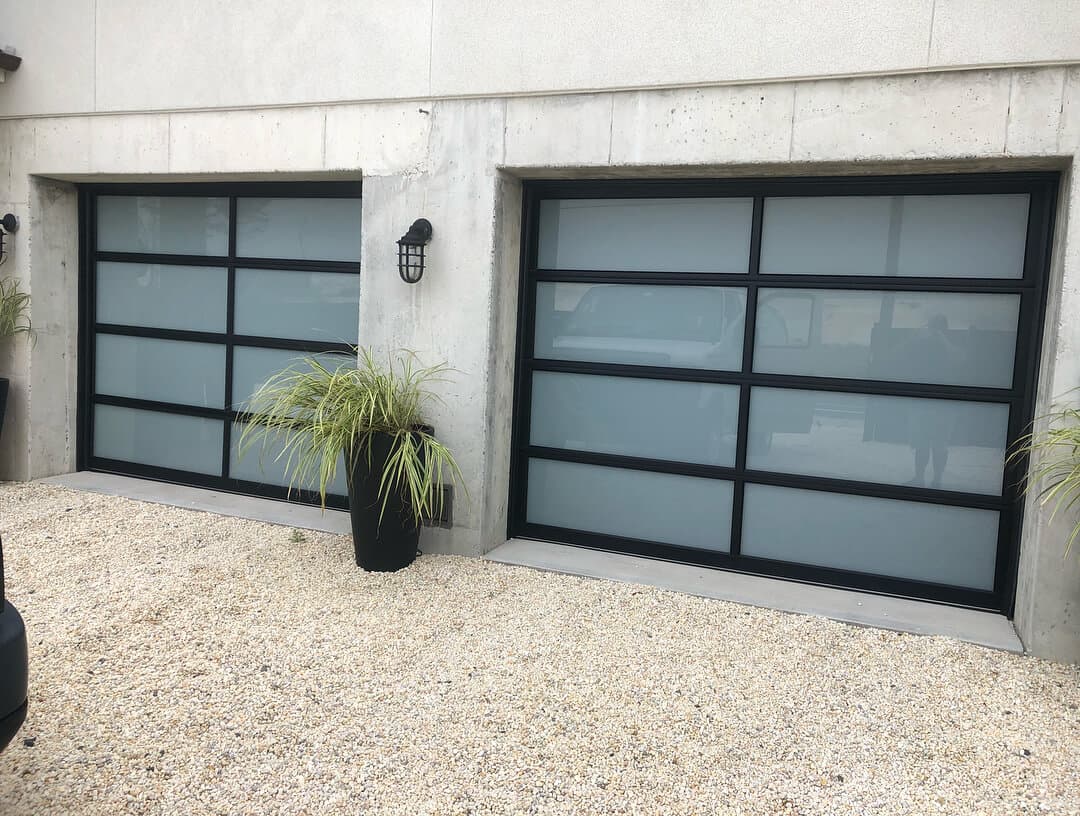
Garage door parts
Springs, cables, drums, rollers, hinges, brackets, seals and opener parts. What is on the truck, what is matched to the door, and what is not a DIY part.
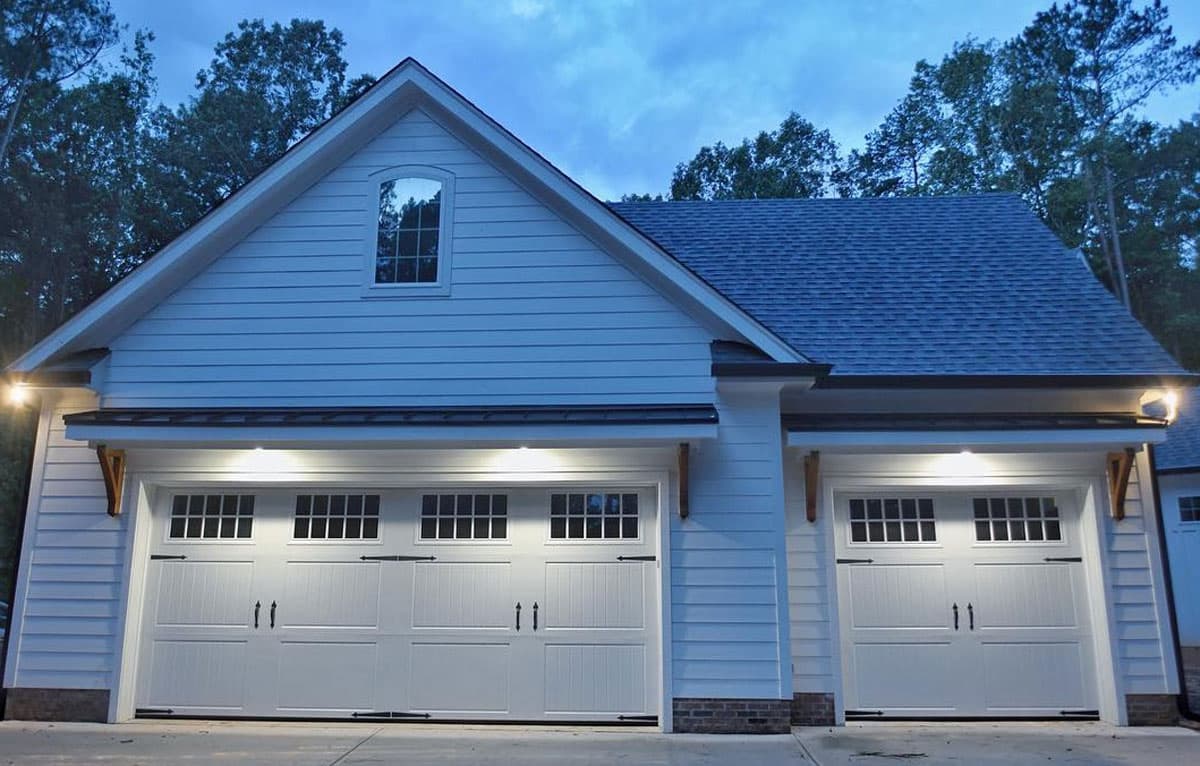
Garage door problems
Match the symptom to the cause: a bang and a heavy door, a crooked door, a door that reverses, an opener that hums. Then go to the page that covers that fault.
Talk to Protech Garage Doors today
Call (613) 845-9950 at any hour, or email info@protechgarage.ca for a new-door quote with no rush.