
Garage door parts we carry and fit
Almost every garage door fault is a part, and most of them are small. What makes them a service call rather than a hardware store trip is that several of them are matched to the specific door, and two of them are under enough tension to hurt somebody.
The parts that carry the weight
Springs. Torsion springs are specified by wire size, inside diameter and length, and that combination is what makes the door balance. Extension springs are rated by the weight they lift. Neither is a generic part, and neither is a homeowner job.
Cables, drums and the shaft. The cable length and the drum size have to suit the door height, and the two sides have to be set equal or the door hangs crooked. Bearing plates and the centre bearing wear quietly and are usually replaced at the same time as the springs, because everything is already apart.
Bottom brackets. These are under full cable tension and are the one bracket on a door that must never be unbolted while the springs are wound.
The parts that make it run
Rollers. Steel rollers are the cheap original fitment and they get noisy as the bearings go. Nylon rollers with sealed bearings run quieter and last longer, and they are the single most noticeable upgrade on an otherwise sound door.
Hinges, numbered by position up the door, and the end hinges that carry the roller stems. Track, brackets and struts. None of these is exotic, but the sizes matter and a mismatched hinge changes how the sections meet.
The parts that seal it
The bottom seal in its retainer is what keeps meltwater, grit and mice out, and it is the part that perishes fastest because it takes the ice. Rubber lasts better than PVC through freeze and thaw. Perimeter stop moulding seals the sides and the head, and a worn one is usually why a closed door still whistles.
Which of the four seals you actually have, and how to tell a worn one from a door that needs adjusting, is in the guide to garage door weather stripping.
The bottom seal is also what keeps mice out. Health Canada's pest control advice says mice can squeeze through a crack as small as a dime, that the small gaps left by worn thresholds under doors are enough to let them in, and recommends metal weather stripping under doors.
The Public Health Agency of Canada lists the deer mouse among the five North American rodents known to carry hantaviruses, and advises sealing holes with wire screening, steel wool, metal flashing or cement.
Opener parts
Opener parts: gear kits, sprockets, chains, belts, trolleys, rails, logic boards, capacitors, limit switches, safety eyes, wall consoles, remotes and keypads. Most of these are replaceable individually, which is why an opener with a single failure is usually worth repairing.
What we stock
The truck carries torsion and extension springs, cables, rollers, hinges, drums and opener gear kits, which covers most of what a service call turns out to need. Anything model-specific is identified on site and ordered against the actual door rather than guessed from a photograph.
Where we do this
- Ottawa
- Mississauga
- London
- Brands installed and serviced
- Garaga, Amarr, Stanley, LiftMaster, Chamberlain, Genie
Related services
Garage door parts: what people ask
Short answers on what usually breaks, what a visit involves and what it costs to put right.
Can I buy garage door parts and fit them myself?
Rollers, hinges, weather seal and remotes are within reach of a careful DIYer on a door that is otherwise sound. Springs, cables, drums and bottom brackets are not: they are either under tension or holding it, and they have to be matched to the specific door rather than bought by rough size.
Are nylon rollers worth changing to?
On a door that runs noisily, usually yes. Sealed-bearing nylon rollers are quieter, roll more smoothly and last longer than the steel rollers most doors are built with, and because the door runs with less friction the opener works less too.
How do I know which spring my door needs?
It is measured rather than looked up. Wire size, inside diameter, length and wind direction all have to match, and the correct spring depends on the actual weight of that door, which changes with insulation, glazing and any hardware added since. A spring that is close but not right leaves the door heavy at the floor or floating at the top.
Everything else we repair and install
Every service the branch nearest you can send a van for.
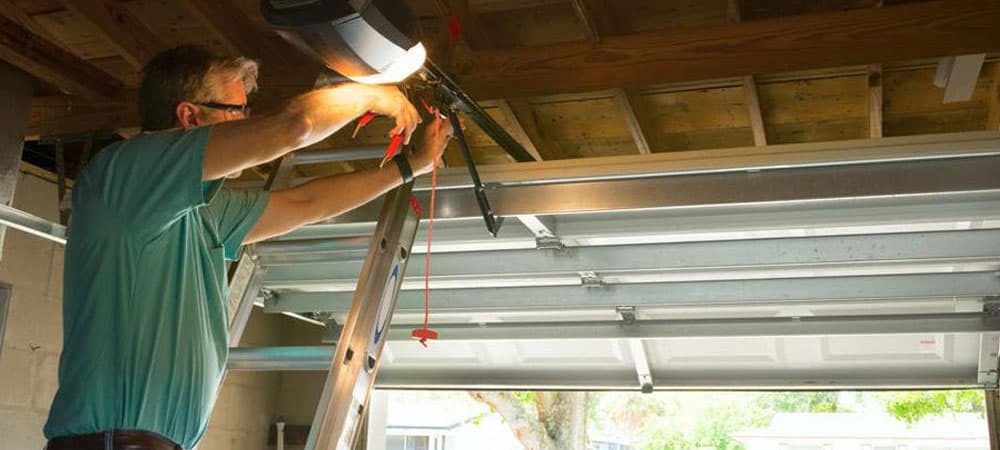
Garage door repair
Broken springs, cables, rollers, tracks, sensors, trims and any garage door opener problem. Fast, professional service when you need it.
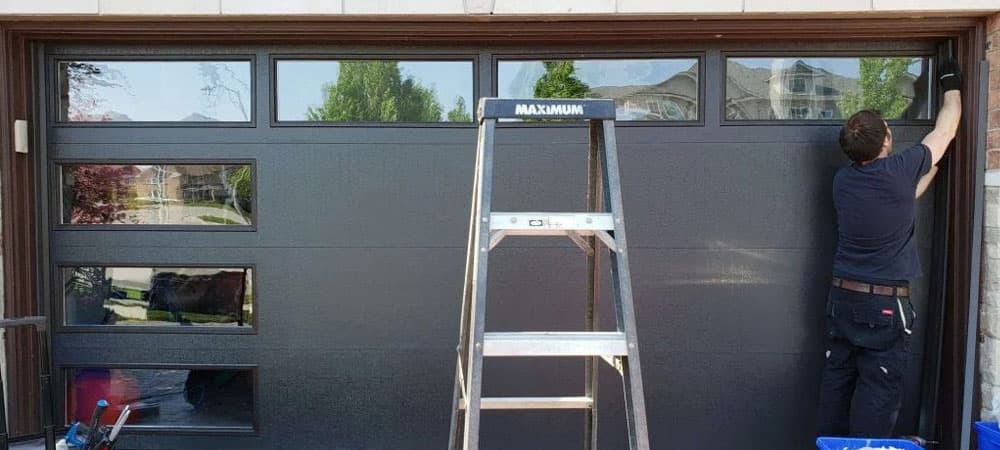
Emergency garage door repair
Emergency garage door repair for a door stuck open, a snapped spring or cable, or a door off its track. What to do before the call, and what to leave alone.
Garage door spring repair
Broken garage door springs? We replace torsion and extension springs safely and professionally to get your garage door working properly again.
Garage door safety sensors
Garage door safety sensors: the door starts down and reverses, or the opener light blinks. What the photo eyes are telling you, and when it is only alignment.
Garage door off track
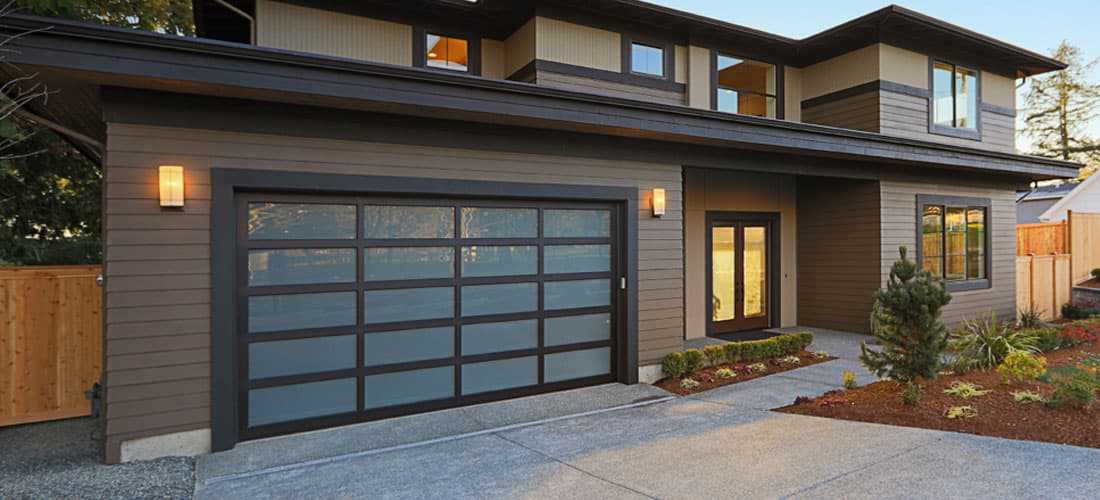
Garage door off track or not moving properly? Protech can safely realign the door, repair damaged tracks, replace rollers and get it running smoothly again.
Stuck garage door
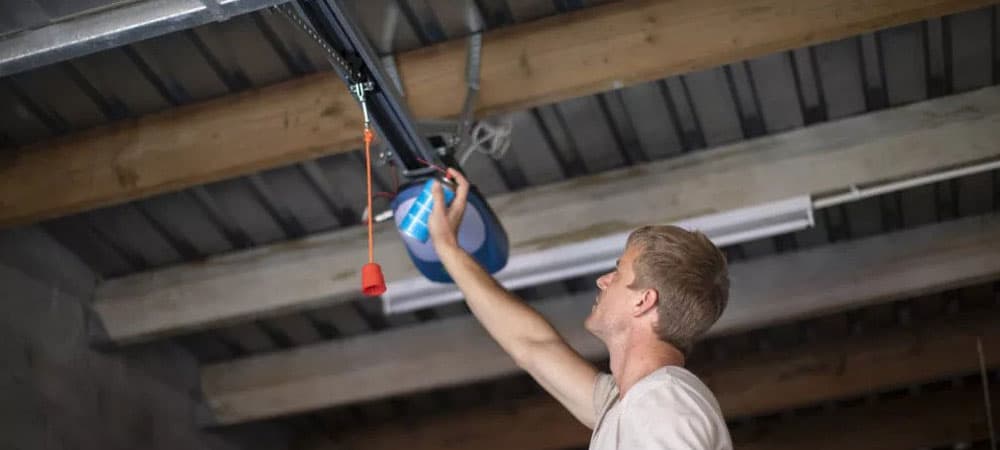
A door that will not move, or stops halfway. The check order that tells you whether it is the opener, the springs, the track or ice, before anyone touches it.
Talk to Protech Garage Doors today
Call (613) 845-9950 at any hour, or email info@protechgarage.ca for a new-door quote with no rush.