
Commercial garage door openers we supply and install
A commercial operator is a different machine from a residential opener, and it is chosen on how the bay is used rather than on how quiet it is. The trade calls them operators rather than openers, and the specification starts with duty cycle.
Which of the operator types suits your door
| Operator | Where it mounts | What it drives | Where it suits |
|---|---|---|---|
| Jackshaft | On the wall beside the door | The torsion shaft | A sectional bay door. Keeps the ceiling clear for sprinklers, lighting and racking |
| Trolley | On a rail above the door | A trolley along the rail | Lighter commercial sectional doors where there is headroom to spare |
| Hoist | At the barrel | The barrel a rolling curtain coils onto | Most rolling doors. A chain hoist is normally fitted alongside so the door still moves in a power cut |
A jackshaft operator mounts on the wall beside the door and drives the torsion shaft. It keeps the ceiling clear, which in a warehouse means clear for sprinklers, lighting and racking, and it is the usual choice on a sectional bay door.
A trolley operator runs on a rail above the door, like a heavy version of the residential arrangement. It suits lighter commercial sectional doors where there is headroom to spare.
A hoist operator drives a rolling steel door, turning the barrel the curtain coils onto. Most rolling doors use one, and a chain hoist is normally fitted alongside so the door can still be moved when the power is out.
Why duty cycle and power matter
Residential openers are built for a handful of cycles a day. A loading bay can run dozens, and continuous-duty operators exist because standard-duty motors do not survive that. Getting this wrong is expensive in a way that only shows up months later, when a motor that was fine on the commissioning day starts overheating in the middle of a shift.
Larger operators are often three-phase, so the available supply at the bay is part of the specification, not an afterthought at installation.
Bringing that supply to the bay is electrical work. The Electrical Safety Authority says Licensed Electrical Contractors are the only businesses in Ontario, with certain exemptions, legally authorized to do electrical work in a home or facility, and a general contractor or other trade that subcontracts that work still has to use one. Ask for the ECRA/ESA licence number.
Controls and safety
A three-button station, open, close and stop, is standard, and it usually replaces the single button a house has. Beyond that: key switches where only staff should operate the door, pull cords, radio controls for drivers, loop detectors in the approach so the door does not come down on a vehicle, and photo eyes or a reversing safety edge along the bottom of the door.
A commercial operator will also normally be set to constant pressure for closing unless a monitored safety device is fitted, which is a code requirement rather than a preference, and it changes how the door is operated day to day.
How service is scheduled on cycle count
Commercial operators are serviced on cycle count. Chains, sprockets, brakes, limits, contactors and the safety devices all wear, and the safety edge is the item most worth testing on a schedule, because it is the one nobody notices has stopped working until it matters.
Where we do this
- Ottawa
- Mississauga
- London
- Brands installed and serviced
- Garaga, Amarr, Stanley, LiftMaster, Chamberlain, Genie
Related services
Commercial garage door openers: what people ask
Short answers on what usually breaks, what a visit involves and what it costs to put right.
What is the difference between a commercial operator and a residential opener?
Duty cycle, mounting, power and controls. A commercial operator is built for many more cycles, usually mounts beside the door rather than on the ceiling, is often three-phase, and carries a three-button station and monitored safety devices rather than one wall button and a pair of photo eyes.
Can a commercial door be opened during a power cut?
Yes, and the method depends on the operator. Rolling doors normally carry a chain hoist for exactly this. Jackshaft and trolley operators have a manual release or a hand chain. Which one a bay has is worth knowing before the power goes out rather than after.
How often do commercial operators need servicing?
On how much the door runs, not on the calendar. A bay running dozens of cycles a day wants a much shorter interval than one that opens twice a day, and the inspection covers the drive, the limits, the brake and every safety device on the opening.
Everything else we repair and install
Every service the branch nearest you can send a van for.
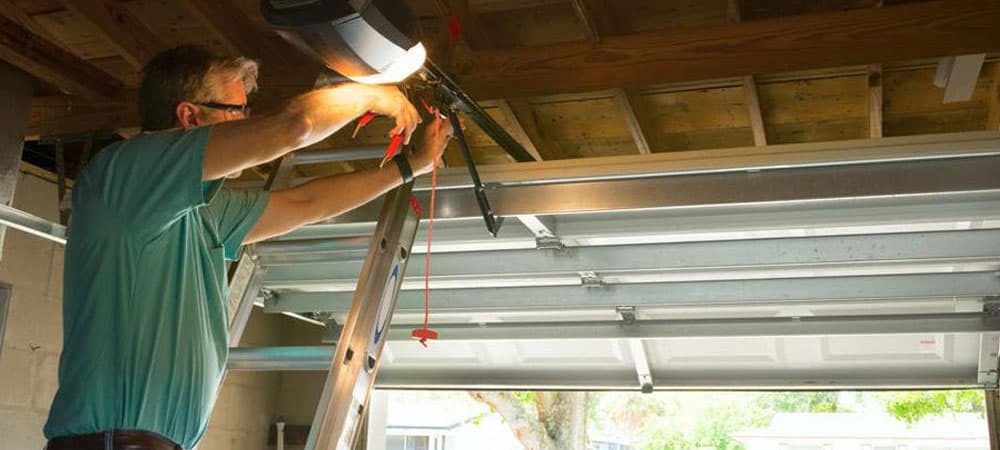
Garage door repair
Broken springs, cables, rollers, tracks, sensors, trims and any garage door opener problem. Fast, professional service when you need it.
Emergency garage door repair
Emergency garage door repair for a door stuck open, a snapped spring or cable, or a door off its track. What to do before the call, and what to leave alone.
Garage door spring repair
Broken garage door springs? We replace torsion and extension springs safely and professionally to get your garage door working properly again.
Garage door safety sensors
Garage door safety sensors: the door starts down and reverses, or the opener light blinks. What the photo eyes are telling you, and when it is only alignment.
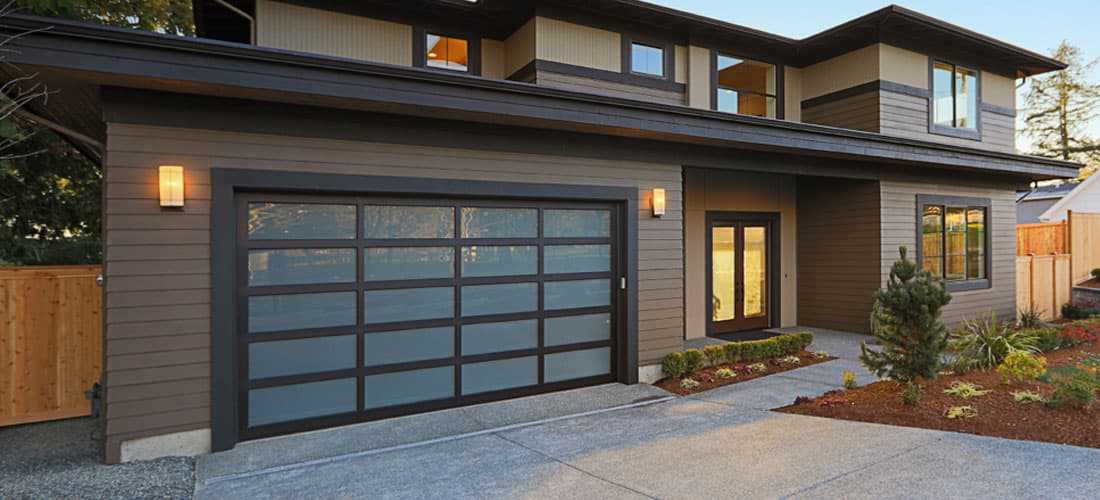
Garage door off track
Garage door off track or not moving properly? Protech can safely realign the door, repair damaged tracks, replace rollers and get it running smoothly again.
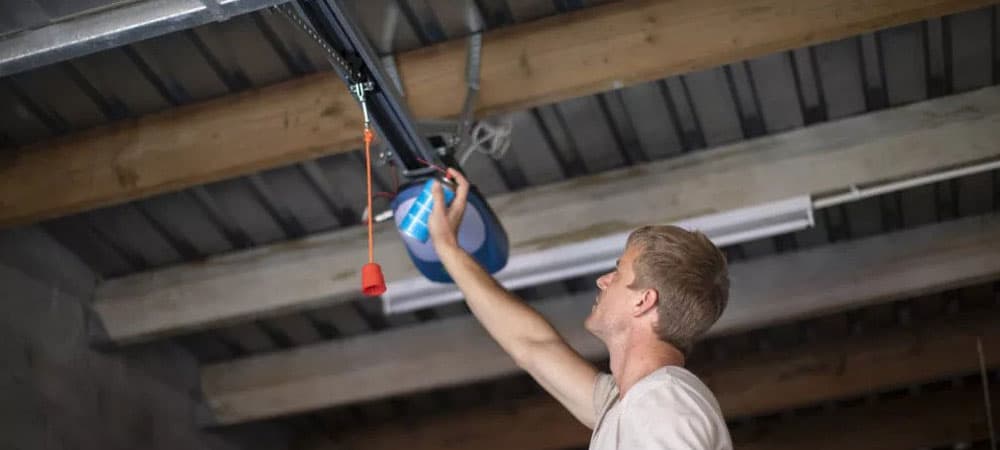
Garage door parts
Springs, cables, drums, rollers, hinges, brackets, seals and opener parts. What is on the truck, what is matched to the door, and what is not a DIY part.
Talk to Protech Garage Doors today
Call (613) 845-9950 at any hour, or email info@protechgarage.ca for a new-door quote with no rush.